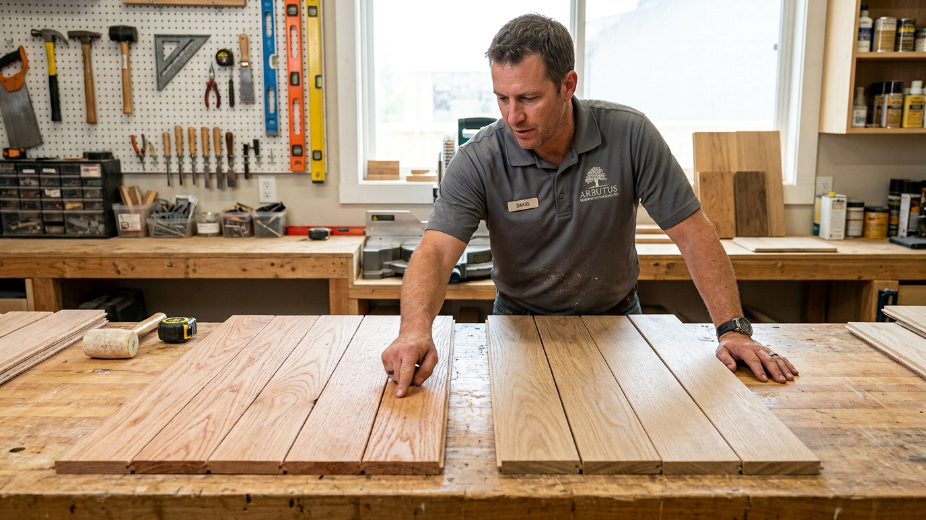
Red Oak vs White Oak Flooring: Which One Is Right for Your Calgary Home?
If you’re renovating or building a home in Calgary, chances are you’ve landed on the same question almost every homeowner faces at some point: red oak vs white oak flooring, which one should you actually pick?
It sounds like a small decision until you’re standing in a showroom staring at two boards that look almost identical. The truth is, the differences go a lot deeper than color. Hardness, grain pattern, moisture resistance, cost, and even how well the wood handles Calgary’s dry winters and humid summer swings all come into play.
This guide breaks it all down in plain language, so by the end you’ll know exactly which oak fits your home, your budget, and your lifestyle. And if you’d rather skip the research and go straight to browsing options, ourhardwood flooring supply team can walk you through samples of both species in person.
Red Oak vs White Oak: The Quick Comparison
Before we go deep into each category, here’s a snapshot to get you oriented.
Feature
Red Oak
White Oak
Color
Warm, reddish-amber
Cooler, beige to olive-brown
Grain pattern
Bold, open, swirling
Tighter, straighter, more subtle
Janka hardness
1,290
1,360
Water resistance
Moderate
Higher
Best for
Traditional homes, budget renovations
Modern homes, kitchens, high-moisture areas
Average cost per sq ft
$7–$9
$11–$13
Staining behavior
Absorbs stain quickly, can look blotchy
Takes stain evenly, more predictable results
Now let’s unpack why each of these numbers matters for a Calgary home specifically.
Color and Appearance
Red Oak’s Warm, Reddish Tones
Red oak leans into pink and amber undertones. Fresh off the mill, it can look almost peachy, and it deepens into a warmer reddish-brown as it ages and gets exposed to sunlight. If your home has a lot of warm-toned trim, oak cabinetry, or a traditional design style, red oak tends to blend right in without fighting the existing palette.
White Oak’s Cool, Neutral Palette
White oak sits on the cooler end of the spectrum, with tones ranging from light beige to a deeper olive-brown. It photographs beautifully in the gray-and-white interiors that have dominated new Calgary builds over the past several years. If you’re going for a Scandinavian, farmhouse, or modern minimalist look, white oak is usually the safer bet.
One thing worth knowing: once either wood is stained dark, the color difference becomes much harder to spot with the naked eye. If you’re matching new flooring to an existing floor, bring a sample to your contractor rather than relying on memory.
Grain Pattern Differences
Why Red Oak Grain Looks Busier
Red oak has larger, more open pores, which creates a grain pattern full of movement, swirls, and the occasional wavy line. This busier look is actually a practical advantage. It hides scratches, dents, and everyday wear far better than a smoother wood, which makes it a smart pick for households with kids, dogs, or a lot of foot traffic.
Why White Oak Grain Looks Cleaner
White oak’s grain runs tighter and straighter, with fewer visual distractions. It gives a calmer, more uniform look across a large floor area, which is why so many designers reach for it in open-concept spaces. The tradeoff is that scuffs and scratches show up a little more noticeably over time.
Hardness and Durability
This is where a lot of homeowners assume the two woods are basically the same. They’re close, but not identical.
On theJanka hardness scale, red oak measures around 1,290 while white oak comes in at roughly 1,360. That’s about a 5 to 10 percent difference, which doesn’t sound dramatic, but it adds up over years of daily use.
White oak’s tighter cell structure also makes it slightly more resistant to denting, which matters if you’ve got heavy furniture, dropped kitchenware, or an active household. Red oak still performs perfectly well for most homes. It’s simply a touch softer.
Which Holds Up Better in High-Traffic Homes
For entryways, hallways, and living rooms that see constant foot traffic, either species can last decades with proper care. But if you have large dogs, frequent furniture moves, or you’re flooring a rental property, white oak’s extra hardness gives you a bit more of a buffer against wear.
Water and Moisture Resistance
Calgary’s climate swings between bone-dry winters and occasionally humid summer stretches, and that matters more for hardwood than most people realize.
White oak has a closed-pore structure, meaning it’s naturally more resistant to moisture absorption. That’s a big reason it’s the preferred choice for kitchens, mudrooms, and entryways where spills and melting snow boots are a daily reality.
Red oak’s more open pores make it slightly more prone to moisture absorption, so it’s better suited to bedrooms, living rooms, and other lower-moisture areas of the home.
Best Rooms for White Oak
Kitchens
Entryways and mudrooms
Bathrooms with proper ventilation
Basements with engineered options
Best Rooms for Red Oak
Bedrooms
Living rooms
Dining rooms
Home offices
Cost Comparison in Calgary Budget is often the deciding factor, and it’s a fair one. Here’s roughly what you can expect to pay per square foot for each species in the Calgary market (all pricing in CAD).
Type
Red Oak (CAD)
White Oak (CAD)
Entry-level engineered
$4 – $5 / sq. ft.
$6 – $7 / sq. ft.
Mid-grade solid
$7 – $9 / sq. ft.
$9 – $11 / sq. ft.
Premium wide plank
$9 – $10 / sq. ft.
$11 – $13 / sq. ft.
Note: The prices above reflect material supply costs in Canadian Dollars (CAD). Professional installation labor in the Greater Calgary area typically adds an additional $3 to $5 per square foot depending on subfloor preparation and layout complexity.
White oak typically runs 20 to 40 percent more expensive than red oak of a comparable grade, largely because it’s slower growing and in higher demand for furniture, cabinetry, and whiskey barrels alongside flooring. If you’re working with a tighter renovation budget, red oak delivers excellent value without sacrificing much in performance. To see current local supply pricing and available grades, our team put together a breakdown of the best hardwood flooring brands in Calgary worth checking before you buy.
Solid vs Engineered: Which Oak Type Fits Your Home
Both red oak and white oak come in solid and engineered formats, and this decision matters just as much as the species itself.
Solid hardwood is a single piece of wood from top to bottom. It can be sanded and refinished many times over its lifespan, but it’s more sensitive to humidity swings and isn’t recommended for basements or below-grade installations.
Engineered hardwood has a real wood veneer layered over a plywood core, which makes it far more stable in fluctuating temperature and humidity. It’s a great option for Calgary basements, condos, or homes with in-floor heating.
If you’re unsure which format suits your space, our detailed guide onsolid vs engineered hardwood in Calgary walks through the pros, cons, and cost differences of each.
Workability and Installation
Contractors notice the difference between these two species the moment they start cutting.
Red oak is softer and easier to work with. It cuts cleanly, doesn’t dull blades as quickly, and is more forgiving during installation. White oak’s extra hardness and density can cause blades to burn or chatter if they’re even slightly dull, and the wood is more prone to splintering if it’s fed into a saw too fast.
For homeowners, this mostly affects labor time and, occasionally, installation cost. Either species installs beautifully in the hands of an experienced flooring crew. If you’re planning a new install, ourhardwood floor installation team can advise on the right underlayment and layout for your specific home.
Staining and Finishing Differences
Here’s something a lot of DIY guides skip over: red oak and white oak don’t take stain the same way.
Red oak’s larger pores soak up stain fast, which can create a blotchy, uneven finish if it isn’t sealed with a pre-stain conditioner first. White oak’s tighter grain takes stain more evenly, which is part of why it photographs so consistently in listing photos and design magazines.
The type of finish matters too. Oil-based finishes tend to bring out warmer undertones and amber over time, while water-based finishes stay clearer and truer to the wood’s natural color for longer. If you’re trying to decide, our comparison ofoil vs water-based floor finish breaks down which option suits which look.
Refinishing and Long-Term Maintenance
Both red oak and white oak can be sanded and refinished multiple times over their lifespan, which is one of the biggest advantages of solid hardwood over other flooring types. On average, a well-maintained oak floor can be refinished every 7 to 10 years, depending on foot traffic and how deep the original wear layer is.
White oak’s added hardness means it typically goes a little longer between refinishing jobs. Red oak may need attention slightly sooner in high-traffic homes, but the process itself is identical for both species. If your floors are looking dull, scratched, or dated, ourhardwood floor refinishing service can bring either species back to life without a full replacement.
Custom Flooring Options for Red Oak and White Oak
Both species also work beautifully in custom applications; herringbone patterns, wide plank designs, mixed-width layouts, and matched staircases are all popular right now in Calgary new builds and renovations. Red oak’s warmer tone suits rustic and traditional custom designs, while white oak leans into modern, minimalist layouts.
If you have a specific vision in mind, ourcustom hardwood flooring service can source and install either species in a pattern that’s built around your space, not a generic showroom layout.
Choosing the Right Oak for Calgary’s Climate, City by City
Calgary’s weather and architectural styles vary across the region. Here is how local homeowners and builders typically choose between red oak and white oak across different communities:
Urban Calgary & Modern Suburbs (Airdrie, Chestermere): White oak is the top choice here, perfectly matching the modern open-concept layouts, gray/neutral color palettes, and contemporary designs of newer builds. Red oak remains popular in Calgary’s established character homes.
Mountain Communities (Canmore, Banff, Cochrane): In mountain environments with more dramatic humidity swings, white oak’s superior moisture resistance makes it the preferred long-term investment. Cochrane homes frequently mix both depending on whether the design is rustic or modern.
Traditional Towns & Value Renovations (Okotoks, High River, Strathmore): Red oak dominates these areas due to its warmth, traditional aesthetic, and exceptional cost-per-square-foot value for mid-to-large family homes.
Acreages & Custom Builds (De Winton, Springbank, Bearspaw, Bragg Creek): Spacious rural properties often feature red oak for its rich, rustic grain patterns. However, modern custom builds in Bearspaw, Springbank, and design-forward communities like Harmony lean toward wide-plank white oak.
Small Towns & Foothills (Langdon, Diamond Valley, Aldersyde): Red oak continues to be the practical, budget-friendly favorite for durable home upgrades, with white oak selected mainly for targeted kitchen and entryway renovations.
Wherever you’re located across Southern Alberta, the right choice ultimately comes down to your home’s design aesthetic, your budget, and the specific moisture demands of each room.
Red Oak vs White Oak: Pros and Cons
Pros
Cons
Red Oak
More affordable, forgiving grain hides wear, easier to work with, warm classic look
Softer, more moisture-prone, can stain unevenly
White Oak
Harder, better moisture resistance, even stain absorption, modern neutral tone
More expensive, harder to cut and install, shows scratches more
Common Mistakes Homeowners Make When Choosing Oak Flooring
Choosing based on a small sample. Wood color shifts under different lighting, so always view samples in your actual room, at different times of day.
Skipping the pre-stain conditioner on red oak. This is the number one cause of blotchy finishes.
Installing solid hardwood in a basement. Both species need engineered formats below grade to handle humidity properly.
Ignoring the room’s moisture level. Placing red oak in a kitchen or mudroom without extra protection can shorten its lifespan.
Assuming price equals quality. Grade, plank width, and finish matter just as much as species when it comes to how a floor performs over time.
Final Thoughts
When it comes down to red oak vs white oak flooring, there’s no universal right answer. Red oak brings warmth, character, and a friendlier price point, while white oak delivers a harder, more moisture-resistant floor with a clean, modern look. The best choice depends on your home’s style, your budget, and which rooms you’re flooring.
If you’re still on the fence, the easiest way to decide is to see and feel both species in person. Ourhardwood flooring supply showroom carries a full range of red oak and white oak options, from entry-level engineered boards to premium wide plank solid wood, and our team can help you find the right fit for your Calgary home and budget. Reach out today to book a consultation or request a quote.
White oak currently has a slight edge in resale appeal because it matches the neutral, modern aesthetic most buyers are searching for right now. That said, a well-maintained red oak floor in good condition still adds strong value, especially in traditional-style homes.
Yes, many homeowners use white oak in main living areas and red oak in bedrooms or secondary spaces. Just be intentional about the transition points, like doorways or hallways, so the change feels deliberate rather than accidental.
Yes, especially under an oil-based finish and direct sunlight. If you want to avoid an orange cast years down the road, ask about water-based finishes or UV-resistant coatings.
For kitchens, entryways, and high-moisture areas, most flooring professionals would say yes. For bedrooms and low-traffic rooms, red oak often delivers comparable performance at a lower price.
With proper care and periodic refinishing, both red oak and white oak can last 50 to 100 years, making them one of the longest-lasting flooring investments available.
Red oak has historically been more common due to lower cost and wider availability, but white oak has grown significantly in popularity over the past decade as Calgary's new-build design trends have shifted toward cooler, neutral palettes.
How to choose a hardwood flooring contractor in Calgary Learn how to choose a hardwood flooring contractor in Calgary by checking experience, insurance, past projects and written quotes before you hire. Contact Us Your floors will be under your feet for 20 years or more. The person you hire to…
Hardwood Flooring Cost in Calgary: What You’ll Actually Pay Planning your project but unsure about hardwood flooring cost in Calgary? This guide explains installation, refinishing, and repair expenses to help you plan your flooring budget. Contact Us If you’re planning to install, repair, or refinish hardwood flooring in Calgary, understanding…
Matte vs gloss hardwood flooring: which finish is right for your home? Matte vs gloss hardwood flooring, see which finish suits Calgary homes best for durability, style & upkeep. Get expert advice from Arbutus Hardwood. Contact Us Matte vs gloss hardwood flooring feels like a small decision until you’re standing…