Oil vs Water Based Floor Finish: Which Hardwood Floor Finish Is Best for Your Home?
Still deciding between an oil vs water based floor finish for your hardwood floors? Our Calgary flooring experts can help you choose the best option based on your wood species, lifestyle, and design preferences. Whether you prefer the rich, warm look of an oil-based finish or the clear, fast-drying protection of a water-based finish, we use professional-grade products and proven application techniques to deliver beautiful, long-lasting results that protect your investment for years to come.
Hardwood floors are one of the biggest investments you can make in your home. The finish you choose determines how those floors look, how long they last, how much maintenance they’ll need, and even how quickly you can walk on them after a refinishing project.
One of the most common questions homeowners ask is: Should I choose an oil vs water-based floor finish?
The answer isn’t as simple as saying one is better than the other. Each finish has unique strengths and weaknesses, and living in the Calgary region means facing specific environmental realities, like low indoor humidity and dramatic seasonal temperature swings, that can influence how your finish cures and holds up over time.
Whether you’re updating a character home in Airdrie or a modern build in Springbank, choosing the right product for your floors will help your investment stand the test of time, especially if it’s part of a larger renovation that might also include updates like afireplace or hearth refresh. This guide compares oil-based and water-based finishes in detail to help you make the right call for your home.
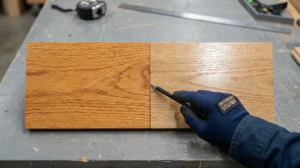
Oil vs Water-Based Floor Finish
Feature
Oil-Based Finish
Water-Based Finish
Color
Warm amber tone
Clear, natural appearance
Drying Time
8–24 hours per coat
2–4 hours per coat
Cure Time
Up to 30 days
About 7 days
Odor
Strong
Mild
VOC Levels
Higher
Lower
Durability
Excellent surface flexibility
Excellent with premium products
Best For
Traditional appearance, darker woods
Modern homes, light wood species
Best overall for traditional hardwood: Oil-based finish
Best for busy households and quick projects: Water-based finish
What Is a Hardwood Floor Finish?
A hardwood floor finish is a protective coating applied after sanding or installing wood flooring. While homeowners often focus on the wood species itself, the finish is what actually defends the surface from everyday wear, including:
Scratches and pet claws
Moisture from snowy boots and household spills
Dirt, grit, and abrasive shoe traffic
UV exposure from intense Alberta sunlight
Without a durable finish, hardwood floors can lose their luster much sooner, requiring more frequent and costly hardwood refinishing. Most residential flooring projects today use polyurethane finishes because they protect the surface while enhancing the natural beauty of the wood. The two most common options are oil-based polyurethane and water-based polyurethane.
Understanding Oil-Based Floor Finish
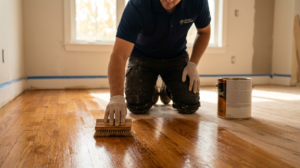
Oil-based polyurethane has been the industry standard for decades and remains popular with homeowners who want a classic, deep hardwood appearance. Unlike water-based products, oil-based finishes penetrate slightly deeper into the wood before forming a durable protective layer.
Advantages of Oil-Based Floor Finish
Rich, warm appearance: Oil-based polyurethane naturally enhances wood grain, deepening the color into a warm golden or honey tone. This pairs beautifully with red oak, walnut, and hickory a favorite for traditional interiors.
Excellent scratch resistance: Oil-based polyurethane forms a thick, slightly softer protective coating that absorbs impact well. Minor scratches tend to blend into the warmer finish more naturally than they would on a crystal-clear coating.
Longer working time: Professional contractors appreciate that oil-based finishes stay wet longer during application, giving them more time to smooth out lap marks and eliminate streaks.
Lower material cost: The product itself is generally less expensive upfront than premium, commercial-grade water-based alternatives.
Disadvantages of Oil-Based Floor Finish
Long drying and curing times: Each coat typically needs 8 to 24 hours to dry before the next can go on. In the colder months, when keeping windows open isn’t really an option, a full project can keep rooms out of commission for days.
Strong odor and higher VOCs: Oil-based finishes release volatile organic compounds (VOCs) with a strong, lingering smell. Many homeowners choose to stay elsewhere during application.
Ambering over time. Because it continues to darken with age, an oil-based finish can eventually give lighter woods like maple or ash a yellowish tint that may not suit a clean, contemporary look.
Understanding Water-Based Floor Finish
Water-based polyurethane has surged in popularity over the past two decades. Thanks to advances in flooring technology, high-performance water-based finishes now perform on par with or better than traditional oil-based products.
Advantages of Water-Based Floor Finish
Dries much faster: Most water-based finishes dry within 2 to 4 hours, so multiple coats can go on in a single day. For busy households that can’t afford a week away from home, this cuts downtime significantly.
Low odor: Water-based finishes produce very little smell during application, making them a strong choice for homes with young children, pets, or family members with respiratory sensitivities.
Maintains natural wood color: Water-based polyurethane dries clear and stays clear, ideal for modern or Scandinavian-inspired homes, especially with light woods like white oak or birch.
Lower VOC content: Lower emissions mean better indoor air quality during and after installation.
Disadvantages of Water-Based Floor Finish
Less forgiving during application: Because it dries so quickly, there’s less time to smooth out brush marks or correct mistakes, it takes a skilled, experienced hand.
Higher initial cost: Premium water-based finishes require a larger upfront investment per gallon.
Highlights surface imperfections: Because the coating is crystal clear, it won’t mask deep sanding marks or underlying wood defects the way a rich amber oil finish can. Proper floor preparation is essential.
Durability & Performance: Side-by-Side Comparison
Durability Factor
Oil-Based Finish
Water-Based Finish
Scratch Resistance
Excellent (absorbs impact well)
Excellent (premium products are incredibly hard)
Chemical Resistance
Very good
Excellent
UV Stability
Fair (will yellow under sunlight)
Excellent (resists fading and color shifts)
Color Stability
Ambers/darkens over time
Remains clear
Expert tip for Calgary and surrounding communities: Alberta’s dry climate means indoor humidity can drop significantly in winter, causing wood floors to contract and sometimes leaving small gaps between planks. Oil-based finishes are slightly more flexible, which can help with seasonal movement. That said, premium two-part water-based finishes offer excellent surface hardness against the grit and gravel tracked in during winter.
Best Floor Finish for Different Situations
Modern and contemporary homes → Water-based finish Preserves the airy, natural tone of white oak or maple floors in modern builds.
Historic and traditional homes → Oil-based finish The rich amber patina suits the classic architectural character of older properties.
High-traffic mountain or rural properties → Premium water-based finish For homes dealing with heavy foot traffic, ski gear, and intense UV through large windows, a premium water-based finish with UV inhibitors resists fading and yellowing.
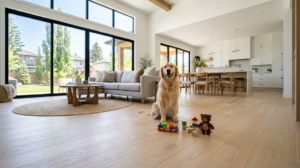
Active families and pet owners → Water-based finish Faster turnaround means less disruption to your routine. Pairing a premium water-based finish with regular pet nail trimming helps protect against scuffs in busy, active households.
Final Thoughts
Choosing between an oil-based and water-based floor finish comes down to balancing appearance, convenience, and long-term performance.
Oil-based finishes remain a beloved choice for anyone who loves the deep, traditional warmth they bring to hardwood. Water-based finishes have become the modern go-to thanks to fast drying times, minimal odor, and their ability to keep light wood species looking clean and natural.
Whichever finish you choose, proper floor preparation, professional application, and routine maintenance are what will keep your floors looking great for decades. Ready to start your next project? Explore our complete list of flooring services to find the right solution for your space.
Neither is universally better. Water-based polyurethane dries faster, has lower odor, and keeps the wood's natural color. Oil-based polyurethane creates a warmer appearance and has a long history of reliable durability.
Yes. Premium commercial-grade water-based finishes provide excellent scratch resistance. Regular nail trimming and protective rugs will further reduce wear.
Most professionals recommend waiting 2–3 days for water-based finishes and 4–7 days for oil-based finishes, while following the product manufacturer's specific curing guidelines.
How to choose a hardwood flooring contractor in Calgary Learn how to choose a hardwood flooring contractor in Calgary by checking experience, insurance, past projects and written quotes before you hire. Contact Us Your floors will be under your feet for 20 years or more. The person you hire to…
Hardwood Flooring Cost in Calgary: What You’ll Actually Pay Planning your project but unsure about hardwood flooring cost in Calgary? This guide explains installation, refinishing, and repair expenses to help you plan your flooring budget. Contact Us If you’re planning to install, repair, or refinish hardwood flooring in Calgary, understanding…
Matte vs gloss hardwood flooring: which finish is right for your home? Matte vs gloss hardwood flooring, see which finish suits Calgary homes best for durability, style & upkeep. Get expert advice from Arbutus Hardwood. Contact Us Matte vs gloss hardwood flooring feels like a small decision until you’re standing…
Choosing the right hardwood flooring species is one of the most important steps in creating a durable and visually appealing home. Calgary’s climate requires careful consideration, making it essential to select a species that can handle environmental changes without compromising performance. If you’re planning to install hardwood flooring contact us today to get the best results from your investment.