Dustless Hardwood Floor Refinishing: Is It Worth It?
Restore the natural beauty of your home with our expert dustless hardwood floor refinishing and polishing service in Calgary. We completely remove dullness, deep scratches, and everyday wear to bring back a smooth, rich finish that looks brand new. Using professional-grade products and proven local techniques, we deliver a long-lasting shine and ultimate protection without the messy cleanup.
So your floors are looking tired. Scratched up, dull in the high-traffic spots, maybe that weird gray cast old finish gets when it’s had enough. You’ve probably already searched around and run into the term dustless hardwood floor refinishing a dozen times, usually next to a price that made you pause. Is it actually different from the regular sanding job your neighbor got done, or is it just a fancier name with a fancier bill attached? I’ve been down this rabbit hole with clients across Calgary and the surrounding towns, and honestly, the answer isn’t a simple yes or no. Let’s actually get into it.
What Even Is a Dust Containment System
Old-school floor sanding is loud, messy, and it gets everywhere. I mean everywhere your bookshelves, your ceiling fan blades, inside cabinets you thought were sealed. That’s traditional floor refinishing for you. The machines grind down the old finish and top layer of wood, and all that fine dust just floats. Some of it settles on your floor, most of it drifts through the house for weeks after the crew’s gone home.
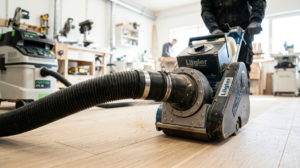
A dust containment system changes that math. It’s basically a sanding machine hooked up to a high-powered vacuum, usually through a hose that pulls dust straight from the sanding drum before it has a chance to become airborne. Some setups also run a HEPA filtration unit in the room, catching whatever particles sneak past. It’s not magic, and it’s not perfectly dust-free, nothing involving a sander ever really is but it’s a massive step down from what you’d get otherwise.
Dustless Floor Sanding vs Traditional Floor Refinishing
People throw these terms around like they mean wildly different processes, but really the core job is the same. You’re removing the old finish, smoothing the wood, and applying a new stain and topcoat. The difference is in how the dust gets handled during that middle step.
Here’s a rough breakdown of how they stack up against each other:
Factor
Dustless Floor Sanding
Traditional Floor Refinishing
Airborne dust
Minimal, contained through vacuum system
Heavy, spreads through the home
Cleanup time after
Usually light a quick wipe down
Can take days, dust resettles repeatedly
Cost
Slightly higher, often 10-20% more
Lower upfront cost
Equipment needed
Specialized vacuum-linked sanders
Standard drum or orbital sanders
Good for allergy-prone households
Yes
Not really
Time on site
Similar, sometimes a touch longer
Similar
Furniture/belongings protection
Better, less residue on surfaces
Requires heavy plastic sheeting, still gets dusty
Neither one changes the actual quality of the finish once it’s done. A well-sanded floor is a well-sanded floor whether the dust went into a vacuum bag or your lungs. What changes is your experience during the process and, honestly, your cleanup bill afterward if you’re paying someone to scrub baseboards and dust blinds later.
How the Process Actually Plays Out
Inspection & Structural Repair
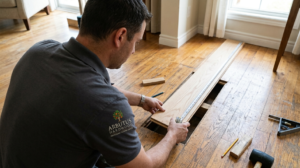
Before any sanding machines turn on, the floor is thoroughly checked for deep gouges, water damage, or squeaky planks. True structural fixes address the boards themselves first, saving you from having to redo work down the line.
Sealed Sanding Passes:
The crew connects professional-grade sanders directly to high-powered vacuum containment systems. Using progressively finer grits, the old finish is stripped away cleanly, keeping fine particulate out of your living space.
Stain & Protective Topcoat:
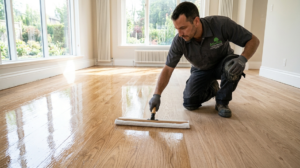
Once the wood is perfectly smooth, stain is applied (if you want a color change), followed by protective topcoats. Choosing water-based finishes here pairs nicely with the low-dust route to keep the process as low-odor and livable as possible.
Why the Dust Actually Matters
It’s not just about not having to dust your shelves twice. Fine wood dust, especially from older finishes, can contain silica particles and sometimes residue from old varnishes or, in older homes, lead-based products underneath newer coats. Breathing that stuff in isn’t great for anyone, but it’s especially rough on kids, older folks, and anyone with respiratory issues. There’s also the simple fact that dust migrates into your HVAC system if you’re not careful, and then you’re breathing sanding dust for months after the job’s technically over.
I’m not saying traditional sanding is dangerous exactly, companies have been doing it for decades without disaster but if you’ve got the option, and the budget stretches to it, low-dust refinishing just makes the whole ordeal less physically unpleasant for everyone living in the house.
Is Dustless Hardwood Floor Refinishing Worth the Extra Cost
This is the actual question most people are asking, so let’s not dance around it. The honest answer: it depends on your situation, and I mean that genuinely, not as a cop-out.
You’ll probably find it worth it if:
Someone in your home has allergies, asthma, or another respiratory condition
You’re refinishing floors in a home you’re still living in during the work
You have a lot of furniture, electronics, or open shelving that dust would settle into
You want to avoid a multi-day deep clean afterward
The floors connect to an open-concept space where dust would spread fast
You might skip the upgrade if:
You’re renovating a totally empty house before move-in
Budget is genuinely tight and every dollar counts
The area being refinished is small and isolated, like a single closet or a small hallway
There’s no universal right answer here. I’ve had clients pay the extra bit and say it was the best decision of the renovation. I’ve had others do a standard job in an empty flip property and never think twice about it because nobody was living there to breathe the dust anyway.
What About Cost Differences, Really
Numbers vary a lot by region, by square footage, by whether you’re doing stain work or just a clear refinish. But as a general pattern, dustless floor sanding tends to run somewhere around 10 to 20 percent above traditional pricing. On a mid-size living room and hallway combo, that might mean a few hundred extra dollars total, not thousands. It’s not nothing, but compared to the cleanup costs of traditional sanding professional cleaning crews, HVAC filter replacements, the hours you’ll spend wiping surfaces yourself it often evens out closer than people expect.
Ask for itemized quotes. A contractor should be able to break down labor, materials, and the dust containment add-on separately so you can actually see what you’re paying for instead of just a lump number.
When Repair Should Come Before Refinishing
Here’s something people skip past: not every floor is actually ready for refinishing straight away. If there are deep gouges, water damage, loose boards, or squeaky sections, sanding over them doesn’t fix the underlying problem. It just puts a shiny coat on top of an issue that’s going to reappear.
If your floor has structural or surface damage beyond normal wear, it’s worth getting that looked at first. A properhardwood floor repair job addresses the boards themselves before refinishing ever touches them, which honestly saves you from redoing work down the line. Skipping this step is one of the more common regrets I hear about after the fact.
Choosing Between DIY and Hiring a Pro
I’ll be straight with you, dustless sanding equipment isn’t something most homeowners have sitting in the garage. Rental options exist, but they’re clunky, the vacuum attachments aren’t always great quality, and getting an even finish takes practice most people don’t have. Traditional sanders are a bit more forgiving to rent and use, but even then, an uneven pass leaves visible marks that are hard to undo without starting over.
Refinishing hardwood floors is one of those jobs that looks simple on video tutorials and turns out to be a lot more finicky in person. Grain direction, pressure consistency, drying times between coats small mistakes compound fast. Most people end up calling inprofessional hardwood floor refinishing services once they’ve watched a few tutorials and realized how much room there is for error.
A Quick Note on Finish Choices
While we’re at it refinishing isn’t just about sanding. The topcoat you choose matters just as much for how the floor looks and holds up. Oil-based polyurethane gives that warm amber tone and tends to be more durable, but it takes longer to cure and smells strong for days. Water-based finishes dry faster, stay clearer, and off-gas less, which pairs nicely if you’ve already gone the low-dust refinishing route and want to keep the whole process as livable as possible.
Prepping Your Home Before the Crew Shows Up
Whichever method you go with, a little prep on your end makes the whole thing smoother. Clear the room completely if you can furniture, rugs, curtains if they hang low enough to catch dust. If you’re keeping items in the house, cover anything upholstered with plastic sheeting, even in rooms not directly being worked on, because dust travels through doorways and vents more than people expect, dustless system or not.
Take doors off their hinges if they’re going to be sanded flush with the new floor height, or at least give the crew a heads-up so they can plan around it. Pets should be somewhere else entirely during active sanding days — the noise alone is enough to stress most animals out, never mind the fine dust settling on paws and fur. And if you’ve got young kids, this is usually a good week to plan a few outings, honestly, just for everyone’s sanity.
Label anything valuable or fragile that has to stay in the house and let the contractor know where it is. Most crews are careful, but accidents happen faster when nobody’s flagged the antique lamp sitting in the corner.
Maintaining the Floor Once It’s Done
Refinishing isn’t a one-and-done deal you never think about again. The finish is what protects the wood, and how you treat that finish in the weeks and months after determines how long it actually lasts. For the first couple weeks, skipping the rugs and floor mats entirely trapping moisture or blocking air circulation while the finish is still curing underneath can cause cloudy patches that are a pain to fix later.
Felt pads under furniture legs, always. Doesn’t matter how careful you think you’ll be, dragging a chair across a freshly finished floor even once can leave a mark that sticks around for years. Sweep or vacuum regularly rather than wet mopping too often, since standing water is still the enemy of hardwood no matter how good the topcoat is. An occasional damp mop with a wood-safe cleaner is fine, just don’t let water pool anywhere.
Sunlight fades finish unevenly over time too, so if you’ve got a room with heavy afternoon sun, rotating rugs or furniture placement every so often keeps the wear looking more even long term. Small thing, but it adds up over the years.
Living With It During and After
If you’re staying in the house during work, plan for at least a few uncomfortable days regardless of which method you pick. Rooms get closed off, furniture gets shuffled, and there’s usually a period where you can’t walk on the floor at all while the finish cures. Dustless methods make the air quality part easier, but they don’t speed up drying time or make the logistics of moving your whole living room into the garage any less annoying.
Ventilation still matters even with dust containment. Crack windows where you can, run fans if the weather allows, and don’t rush back onto the floor before the recommended cure time, even if it looks dry. Walking on a finish too early leaves marks that show up weeks later once the coating fully hardens.
A Few Things Contractors Won’t Always Mention Upfront
Not every “dustless” service is fully dustless, asking specifically what containment equipment they use and how old it is. Worn vacuum seals leak dust just like anything else.
Edge work near baseboards sometimes still needs hand sanding, which produces more dust than the main machine passes. Ask how they handle edges.
Pet hair and existing debris on the floor before sanding starts can clog containment systems and reduce their effectiveness, so a pre-sweep matters more than people think.
Older homes with finishes from before the 1970s sometimes contain lead, and changing the safety protocol entirely always disclose your home’s age.
Serving Calgary and the Surrounding Areas
Worth mentioning since it comes up a lot: a good chunk of the jobs I’m describing here are happening right in Calgary homes, plus the towns just outside it. Airdrie, Okotoks, Cochrane, Chestermere, that whole ring around the city. The climate matters more than people think too. Calgary winters are dry, and that dryness affects how wood moves and how finish cures, so a crew that’s used to working in this specific region tends to time the job differently than one used to a more humid climate.
Because Calgary winters are incredibly dry, static electricity can make fine wood dust cling aggressively to walls and window tracks. If you are renovating an empty property before moving in, you can easily save a few bucks and go traditional. But if you are actively living in your home during the project, dustless containment isn’t just a luxury it’s a sanity saver.
Final Verdict: Is Dustless Hardwood Floor Refinishing Worth It?
For most homeowners, dustless hardwood floor refinishing is absolutely worth considering.
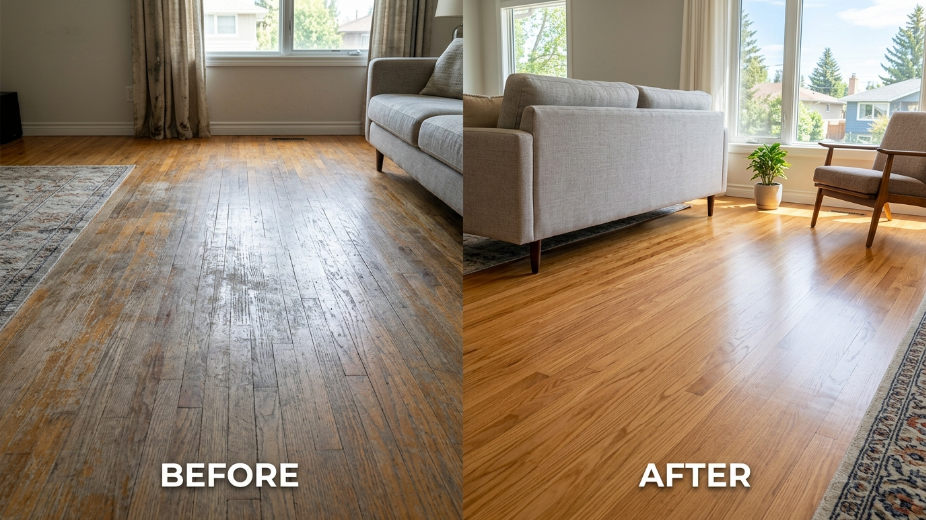
It delivers the same beautiful restoration results as traditional refinishing while significantly reducing dust throughout the process. The cleaner work environment, easier cleanup, and improved comfort make it an attractive option for many households.
While no system is completely dust-free, modern dustless sanding technology can dramatically reduce airborne dust and create a better overall refinishing experience.
If your hardwood floors are showing signs of wear, professional Hardwood Floor Refinishing Calgaryservices can help restore their beauty and extend their lifespan. And if your floors have deeper damage, combining refinishing with Hardwood Floor Repair Calgary services may provide the best long-term results.
The bottom line is simple: if you want cleaner floor restoration with less mess and less disruption, dustless hardwood floor refinishing is often well worth the investment.
No, not completely. It significantly reduces airborne dust compared to traditional sanding, but some fine particulate still escapes, especially during edge work or if the vacuum seals aren't well maintained.
Typically around 10 to 20 percent more, depending on your region and the size of the job. Get itemized quotes so you can compare exactly what's included.
Many people do stay, especially compared to traditional methods, though you'll still need to stay off the floors during sanding and drying, and rooms directly involved will be inaccessible for a few days.
Most residential jobs take anywhere from three to five days including drying and curing time, though larger homes or oil-based finishes can push that longer.
Yes, Calgary and the surrounding communities, including Airdrie, Okotoks, Cochrane, and Chestermere, are all areas we regularly work in. Distance from the city core can affect scheduling and pricing slightly, so it's worth confirming coverage for your specific address when you reach out.
How to choose a hardwood flooring contractor in Calgary Learn how to choose a hardwood flooring contractor in Calgary by checking experience, insurance, past projects and written quotes before you hire. Contact Us Your floors will be under your feet for 20 years or more. The person you hire to…
Hardwood Flooring Cost in Calgary: What You’ll Actually Pay Planning your project but unsure about hardwood flooring cost in Calgary? This guide explains installation, refinishing, and repair expenses to help you plan your flooring budget. Contact Us If you’re planning to install, repair, or refinish hardwood flooring in Calgary, understanding…
Matte vs gloss hardwood flooring: which finish is right for your home? Matte vs gloss hardwood flooring, see which finish suits Calgary homes best for durability, style & upkeep. Get expert advice from Arbutus Hardwood. Contact Us Matte vs gloss hardwood flooring feels like a small decision until you’re standing…
Choosing the right hardwood flooring species is one of the most important steps in creating a durable and visually appealing home. Calgary’s climate requires careful consideration, making it essential to select a species that can handle environmental changes without compromising performance. If you’re planning to install hardwood flooring contact us today to get the best results from your investment.