Arbutus Hardwood Floors

Water Damaged Hardwood Repair: Step-by-Step Guide

How to Repair Water-Damaged Hardwood Floors: A Step-by-Step Guide

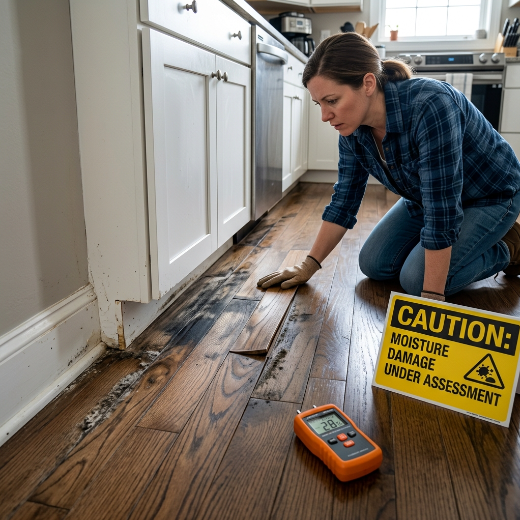
Need reliable water damaged hardwood repair? Our flooring specialists can assess the damage, recommend the most effective repair solution, and restore your hardwood floors to their original beauty. From minor water stains and cupping to warped boards and extensive moisture damage, we use proven restoration techniques and premium materials to deliver durable, long-lasting results.

Hardwood floors are one of the most valuable features in a home, but they don’t react well to standing water. A burst pipe, leaking appliance, overflowing sink, or flooding can leave your flooring swollen, stained, warped, or even structurally damaged. The good news is that water damage doesn’t always mean you have to replace the entire floor.

In many cases, hardwood flooring can be restored if you act quickly and use the right repair methods. The key is understanding how deeply the moisture has penetrated, whether the boards are still structurally sound, and which repair approach fits the type of damage.

This guide explains how to repair water-damaged hardwood floors, when a DIY repair makes sense, when professional restoration is the better investment, and how to prevent the same problem from happening again. If you’d rather skip the guesswork, our team at Arbutus Hardwood Floors handles everything from moisture assessment to full hardwood floor repair but this walkthrough will help you understand exactly what’s happening to your floor either way.

Can Water-Damaged Hardwood Floors Be Repaired?

Yes, hardwood floors can often be repaired if the damage is addressed before the wood begins to rot or permanently deform.

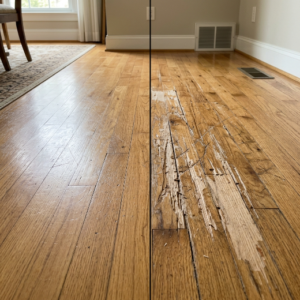
Minor issues like light cupping, small stains, or slight swelling usually improve after the floor dries completely. Moderate damage may require sanding, refinishing, or replacing a few boards. Severe flooding that causes buckling, mold growth, or widespread structural damage often calls for partial or full floor replacement.

The faster you remove moisture, the better the chances of saving your hardwood floor.

Signs Your Hardwood Floor Has Water Damage
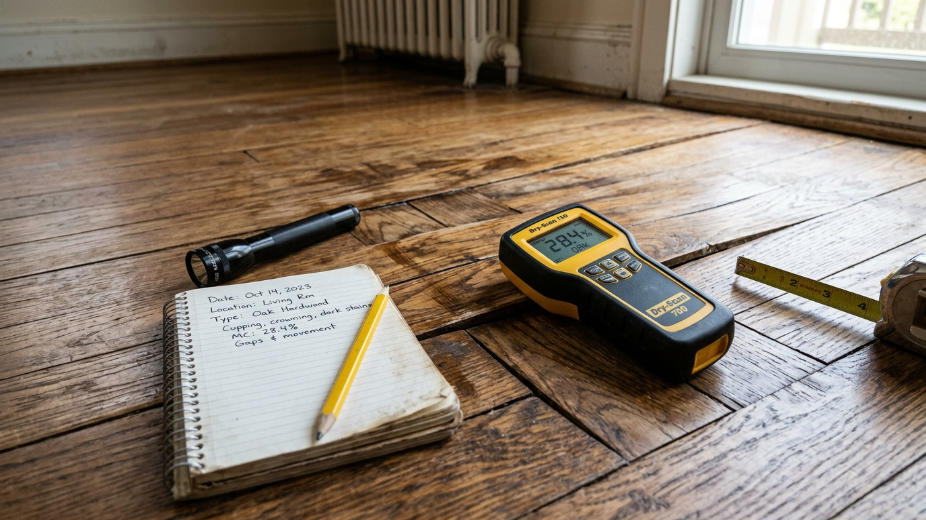
Identifying Water Damage on Hardwood Floors

Water affects wood in different ways depending on how long it remains wet and how much moisture the boards absorb. For a full visual breakdown of what to look for, see our detailed guide on signs you need hardwood floor repair.

Look for these warning signs:

  • Boards that feel raised or uneven
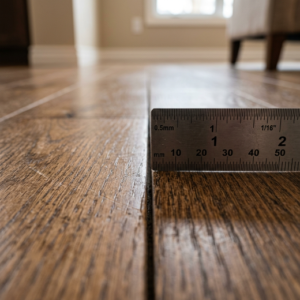
  • Edges curling upward (cupping)
  • Centers higher than edges (crowning)
  • Loose or separated floorboards
  • Buckling or lifting from the subfloor
  • Dark water stains
  • Soft spots underfoot
  • Squeaking that wasn’t there before
  • Musty odors indicating trapped moisture
  • Mold around joints or baseboards

Even if the floor looks dry, moisture can remain trapped underneath for weeks.

Common Causes of Water Damage

Understanding what caused the damage helps determine how extensive repairs need to be.

Plumbing Leaks: Hidden pipe leaks often damage hardwood slowly. Since the leak may continue for weeks before being discovered, moisture frequently reaches the subfloor.

Appliance Failures: Dishwashers, washing machines, refrigerators, and water heaters are common sources of hardwood floor damage.

Roof Leaks: Rainwater entering through a damaged roof may stain hardwood while also affecting ceilings and wall framing.

Flooding: Floodwater usually causes the most serious damage because it saturates both the flooring and the subfloor.

High Indoor Humidity: Poor ventilation or excessive indoor humidity can gradually cause hardwood to expand, cup, and develop gaps as seasons change. The EPA recommends keeping indoor relative humidity between 30–50% to limit moisture-related damage and mold growth.

Assess the Severity Before Starting Repairs

Not every damaged floor needs to be torn out. Use this simple assessment:

Damage Level

Typical Symptoms

Recommended Solution

Minor

Light cupping, slight swelling, small stains

Dry thoroughly, monitor, sand if necessary

Moderate

Noticeable warping, isolated buckling, loose boards

Replace damaged boards and refinish

Severe

Extensive buckling, mold, rotten wood, damaged subfloor

Professional restoration or replacement

One important mistake homeowners make is repairing the surface before confirming the floor is dry underneath. Sanding wet hardwood often makes the problem worse.

Step 1: Stop the Water Source

Repair begins by eliminating the source of moisture. That may involve:

  • Turning off the main water supply
  • Fixing leaking plumbing
  • Repairing a roof leak
  • Replacing a damaged appliance hose
  • Removing standing floodwater

Unless the source is fixed first, repairs won’t last.

Step 2: Remove Standing Water Immediately

Time is the biggest factor in determining whether hardwood survives. Use:

  • Wet/dry vacuum
  • Towels
  • Mop
  • Water extraction equipment

Avoid letting water sit longer than necessary. Hardwood starts absorbing moisture almost immediately. If flooding affects multiple rooms, professional extraction equipment removes water much faster than household tools.

Step 3: Dry the Hardwood Floor Properly
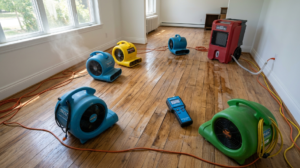
Professional Drying Equipment Restoring Hardwood Floors

Drying is the most important part of the restoration process.

Open windows if outdoor humidity is low. Use:

  • High-volume fans
  • Commercial air movers
  • Dehumidifiers
  • HVAC system

Leave the equipment running continuously until moisture readings return to normal. Depending on the amount of water involved, drying may take anywhere from several days to several weeks. Never assume the floor is dry simply because the surface feels dry.

Step 4: Measure Moisture Before Making Repairs

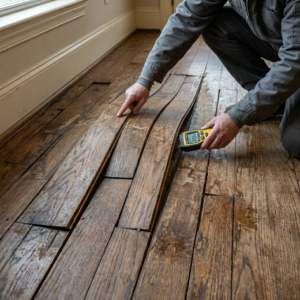
Professional flooring contractors use moisture meters rather than guessing.

Generally, hardwood flooring should return close to its normal moisture content before sanding or refinishing begins. If moisture remains trapped inside the boards or subfloor, repairs performed too early often fail as the wood continues moving during the drying process.

This step alone prevents many costly mistakes.

How to Repair Minor Water Damage

Minor water damage is usually repairable without replacing flooring.

Remove Surface Stains:

 Light stains can sometimes be cleaned using hardwood-safe cleaners designed for finished wood surfaces. For darker discoloration, gentle sanding followed by refinishing may restore the wood’s appearance. Avoid using bleach or harsh chemicals unless recommended for unfinished hardwood, as they may permanently damage the finish.

Fix Small Areas of Cupping:

 Cupping happens when the bottom of a board contains more moisture than the top, causing the edges to rise. In many situations, the boards flatten naturally after drying.

If slight cupping remains after moisture levels stabilize:

  1. Sand high edges
  2. Apply fresh stain if needed
  3. Refinish the repaired section

Sanding before the floor finishes drying may cause the opposite problem — crowning.

Repair Surface Scratches:

 Water sometimes softens finishes, making scratches more visible. Small scratches can often be repaired using:

  • Hardwood repair markers
  • Wax filler sticks
  • Color-matched repair kits

These cosmetic repairs blend minor imperfections until the floor is refinished.

Repairing Warped Hardwood Boards

Warped boards don’t always need replacement.

First, determine whether the boards remain securely attached. If the wood has only slightly distorted, drying followed by sanding may restore a flat surface. If boards remain permanently twisted or separated from neighboring planks, replacement becomes the better long-term solution.

Professionals typically remove only the damaged boards rather than replacing the entire room. This approach preserves matching flooring while reducing repair costs.

How to Replace Individual Hardwood Boards
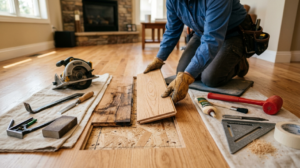
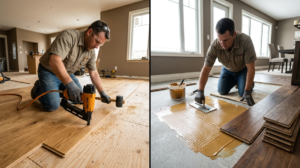
Step-by-Step Hardwood Board Replacement

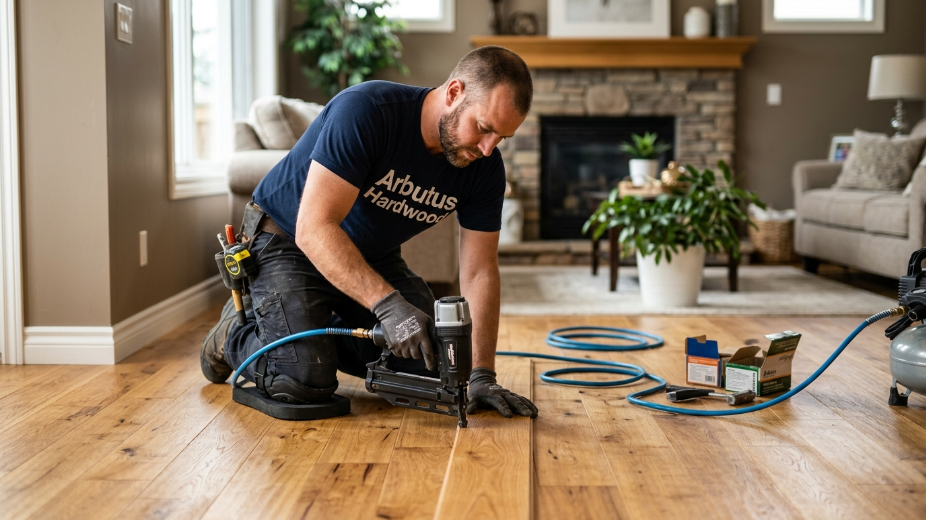
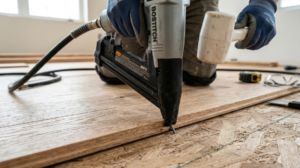
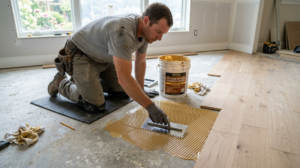
Localized damage is often easier to repair than many homeowners expect. The general process includes:

  1. Mark the damaged board.
  2. Cut through the center using a circular saw set to the correct depth.
  3. Remove the damaged sections carefully.
  4. Clean the opening.
  5. Fit a matching replacement board.
  6. Secure it with flooring adhesive or nails, depending on the installation method.
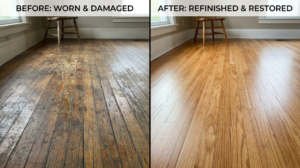
  7. Sand, stain, and refinish the repaired area until it blends with the surrounding floor.

Finding an exact match may require using leftover flooring from the original installation or sourcing the same wood species and width from a flooring supplier.

How to Repair Buckled Hardwood Floors

Buckling is one of the most severe forms of water damage. Instead of simply swelling, the boards lift away from the subfloor, creating raised sections or large gaps. This usually happens after prolonged exposure to water or flooding.

Before replacing anything, make sure the flooring is completely dry. In some cases, slight buckling settles as moisture levels return to normal.

If the boards remain lifted:

  1. Inspect the subfloor for moisture or rot.
  2. Remove damaged planks without disturbing the surrounding flooring.
  3. Replace any compromised underlayment.
  4. Install matching hardwood boards.
  5. Sand and refinish the repaired area so it blends with the rest of the floor.

If buckling affects a large portion of the room, replacing the entire floor may be more cost-effective than patching dozens of individual boards.

Can Swollen Hardwood Floors Shrink Back?

Yes, sometimes.

Wood naturally expands when it absorbs moisture and contracts as it dries. If the water exposure was brief and the flooring hasn’t been permanently distorted, the boards often return close to their original shape after proper drying.

Patience is important. Depending on humidity levels and the amount of water involved, hardwood may need several weeks to stabilize. If swelling remains after the floor reaches normal moisture content, sanding or replacing affected boards may be necessary.

Removing Dark Water Stains

Dark stains usually indicate that water has penetrated below the finish and reacted with the wood. The right repair depends on the depth of the stain.

Stain Type

Best Repair Method

Surface discoloration

Hardwood cleaner and light buffing

Finish damage

Sand and refinish

Deep black stains

Replace affected boards if sanding won’t remove discoloration

Avoid aggressively sanding one small spot. Removing too much material can leave a visible low area in the floor. For older hardwood, feathering the repair into surrounding boards creates a more natural appearance a technique covered in more depth in our hardwood floor refinishing services guide.

Watch for Mold Beneath the Floor

One problem many homeowners overlook is hidden mold. Even if the surface looks dry, moisture trapped between the hardwood and subfloor creates ideal conditions for mold growth.

Possible warning signs include:

  • Persistent musty odors
  • Black or green discoloration
  • Allergy symptoms that worsen indoors
  • Soft subflooring
  • Moisture readings that remain high

If mold has spread beneath the flooring, removing the affected boards is usually the safest solution. Simply drying the surface won’t eliminate mold growing underneath. For guidance on assessing indoor mold risk, the EPA’s mold resource center is a helpful reference.

Solid Hardwood vs. Engineered Hardwood Repairs

Not all wood flooring responds to water the same way.

Solid Hardwood:

 Solid hardwood is generally easier to restore because it can be sanded and refinished multiple times. Individual boards are also easier to replace.

Engineered Hardwood:

 Engineered hardwood has a thin hardwood veneer over a plywood core. While it handles humidity better than solid wood, severe water damage often affects the inner layers, causing them to separate. Minor surface damage may be repairable, but delamination usually requires replacing the damaged planks.

DIY Repair vs. Hiring a Professional

Some repairs are well within reach of an experienced DIY homeowner. Others require specialized drying equipment and flooring expertise.

DIY Repairs

Professional Repairs

Drying small spills

Flood restoration

Cleaning surface stains

Extensive buckling

Replacing one or two boards

Large-scale board replacement

Minor refinishing

Subfloor repairs

Cosmetic touch-ups

Mold remediation

A professional restoration company also uses moisture meters and commercial dehumidifiers to confirm the floor is dry before repairs begin. That reduces the risk of future movement or hidden damage.

How Much Does Water-Damaged Hardwood Floor Repair Cost?

Costs vary depending on the extent of the damage, the wood species, and whether refinishing or replacement is required.

Repair

Typical Cost

Drying and moisture testing

$300–$1,000

Sanding and refinishing

$3–$8 per sq. ft.

Replacing a few boards

$200–$800

Partial floor replacement

$8–$20 per sq. ft.

Full hardwood replacement

$10–$25+ per sq. ft.

If the damage was caused by a sudden event such as a burst pipe or appliance failure your homeowner’s insurance may cover part or all of the restoration costs. Damage caused by long-term neglect or unresolved leaks is less likely to be covered.

When Should You Replace Instead of Repair?

Repair isn’t always the most practical option. Replacement is usually the better choice if:

  • Mold has spread beneath the flooring
  • The subfloor is rotting
  • Most boards are buckled
  • Water has remained for several days
  • The flooring cannot be matched
  • The wood has started to decay
  • The floor has already been sanded multiple times and has little wear layer remaining

Trying to save severely damaged flooring often leads to repeated repairs that cost more over time than replacing the affected area.

How to Prevent Future Water Damage

While accidents can’t always be avoided, a few preventive measures can significantly reduce the risk of water damage:

  • Clean up spills immediately
  • Keep indoor humidity between 35% and 55%
  • Inspect plumbing connections regularly
  • Replace aging appliance hoses
  • Use mats near exterior doors and sinks
  • Maintain your roof and gutters
  • Install leak detectors near water heaters, dishwashers, washing machines, and refrigerators
  • Refinish hardwood floors when the protective coating begins to wear

Heating sources near hardwood flooring also deserve attention. Fireplaces and wood stoves can dry out or stress nearby boards if humidity swings too far in the other direction, so proper installation and clearance matter just as much as moisture control. If you’re upgrading or maintaining a fireplace near hardwood flooring, Classic Fireplace offers a range of options worth reviewing before installation.

Expert Tips for Better Long-Term Results

Small decisions during the repair process can have a big impact on the final outcome:

  • Don’t sand hardwood until moisture levels have stabilized
  • Photograph the damage before beginning cleanup if you plan to file an insurance claim
  • Save leftover flooring from renovations for future repairs
  • Replace damaged underlayment when installing new boards
  • Blend stains across multiple boards instead of repairing only one visible plank
  • If flooding involved contaminated water, prioritize safety and sanitation before restoration

These steps help produce repairs that look better and last longer.

Final Thoughts

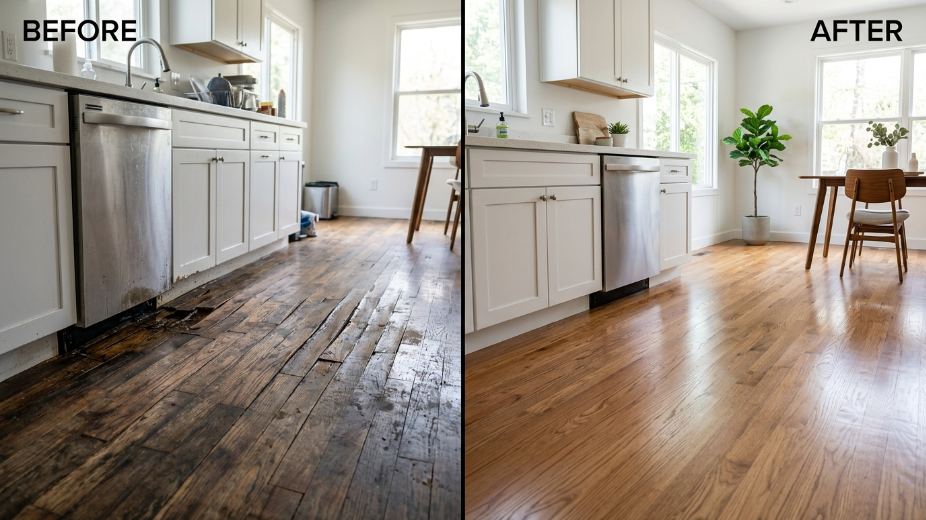
Water damage doesn’t automatically mean your hardwood floor is beyond repair. Many floors recover well when moisture is removed quickly and repairs are performed only after the wood has fully dried.

The biggest mistakes homeowners make are rushing into sanding, ignoring hidden moisture beneath the flooring, and overlooking damage to the subfloor. Taking the time to assess the severity, dry the floor properly, and choose the right repair method can extend the life of your hardwood flooring for many years.

When damage is limited to a few boards, targeted repairs often restore the floor with little evidence of the problem. For widespread flooding, professional restoration provides the best chance of protecting both the flooring and the structure beneath it.

Not sure if your floor can be saved? Arbutus Hardwood Floors offers on-site moisture assessments and full water damage restoration, including hardwood floor repair and refinishing services. If you’re in the area, check out our hardwood floor repair services in Priddis or contact us today for a free consultation.
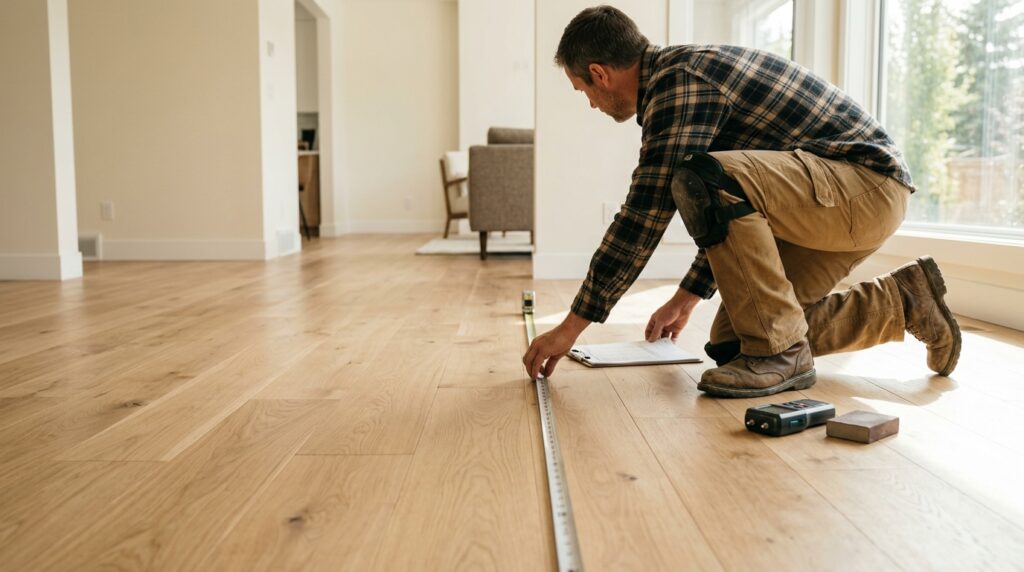
Yes. Many hardwood floors can be restored if drying begins quickly and the wood hasn't suffered severe structural damage or mold growth.

 Minor water exposure may dry within several days, while major flooding can require several weeks. Moisture should be confirmed with a meter before repairs begin.

 Often, yes. As the flooring returns to its normal moisture content, slight cupping may improve naturally. Permanent deformation may require sanding or board replacement.

No. Sanding before the wood has completely dried can create permanent crowning and uneven boards.

Not necessarily. Some boards can be replaced individually, but widespread buckling usually indicates more extensive damage beneath the floor.

It often does when the damage results from a sudden, accidental event such as a burst pipe. Coverage varies by policy, so review your insurance documents or contact your provider.

Minor damage may be repairable, but if the plywood core separates or swells significantly, replacing the affected planks is usually the best solution.

How to choose a hardwood flooring contractor in Calgary

How to choose a hardwood flooring contractor in Calgary

How to choose a hardwood flooring contractor in Calgary Learn how to choose a hardwood flooring contractor in Calgary by checking experience, insurance, past projects and written quotes before you hire. Contact Us Your floors will be under your feet for 20 years or more. The person you hire to…

Hardwood Flooring Cost Calgary: 2026 Price & Installation Guide

Hardwood Flooring Cost Calgary: 2026 Price & Installation Guide

Hardwood Flooring Cost in Calgary: What You’ll Actually Pay Planning your project but unsure about hardwood flooring cost in Calgary? This guide explains installation, refinishing, and repair expenses to help you plan your flooring budget. Contact Us If you’re planning to install, repair, or refinish hardwood flooring in Calgary, understanding…

Matte vs Gloss Hardwood Flooring | Arbutus Hardwood

Matte vs Gloss Hardwood Flooring | Arbutus Hardwood

Matte vs gloss hardwood flooring: which finish is right for your home? Matte vs gloss hardwood flooring, see which finish suits Calgary homes best for durability, style & upkeep. Get expert advice from Arbutus Hardwood. Contact Us Matte vs gloss hardwood flooring feels like a small decision until you’re standing…

Dealing with water damage doesn’t always mean replacing your entire hardwood floor. Our water damaged hardwood repair specialists can assess the extent of the damage, recommend the most effective repair solution, and restore your floors with lasting results. Whether you’re facing cupping, buckling, stains, or warped boards, contact us today for expert repairs that protect your investment and bring your hardwood floors back to life.

    Water Damaged Hardwood Repair: Step-by-Step Guide 3

    Oil-Based vs Water-Based Hardwood Floor Finish

    Oil vs Water Based Floor Finish: Which Hardwood Floor Finish Is Best for Your Home?

    Still deciding between an oil vs water based floor finish for your hardwood floors? Our Calgary flooring experts can help you choose the best option based on your wood species, lifestyle, and design preferences. Whether you prefer the rich, warm look of an oil-based finish or the clear, fast-drying protection of a water-based finish, we use professional-grade products and proven application techniques to deliver beautiful, long-lasting results that protect your investment for years to come.

    Hardwood floors are one of the biggest investments you can make in your home. The finish you choose determines how those floors look, how long they last, how much maintenance they’ll need, and even how quickly you can walk on them after a refinishing project.

    One of the most common questions homeowners ask is: Should I choose an oil vs water-based floor finish?

    The answer isn’t as simple as saying one is better than the other. Each finish has unique strengths and weaknesses, and living in the Calgary region means facing specific environmental realities, like low indoor humidity and dramatic seasonal temperature swings, that can influence how your finish cures and holds up over time.

    Whether you’re updating a character home in Airdrie or a modern build in Springbank, choosing the right product for your floors will help your investment stand the test of time, especially if it’s part of a larger renovation that might also include updates like a fireplace or hearth refresh. This guide compares oil-based and water-based finishes in detail to help you make the right call for your home.

    Oil vs Water-Based Floor Finish

    Feature

    Oil-Based Finish

    Water-Based Finish

    Color

    Warm amber tone

    Clear, natural appearance

    Drying Time

    8–24 hours per coat

    2–4 hours per coat

    Cure Time

    Up to 30 days

    About 7 days

    Odor

    Strong

    Mild

    VOC Levels

    Higher

    Lower

    Durability

    Excellent surface flexibility

    Excellent with premium products

    Best For

    Traditional appearance, darker woods

    Modern homes, light wood species

    • Best overall for traditional hardwood: Oil-based finish
    • Best for busy households and quick projects: Water-based finish

    What Is a Hardwood Floor Finish?

    Wood floor samples comparison

    A hardwood floor finish is a protective coating applied after sanding or installing wood flooring. While homeowners often focus on the wood species itself, the finish is what actually defends the surface from everyday wear, including:

    • Scratches and pet claws
    • Moisture from snowy boots and household spills
    • Dirt, grit, and abrasive shoe traffic
    • UV exposure from intense Alberta sunlight

    Without a durable finish, hardwood floors can lose their luster much sooner, requiring more frequent and costly hardwood refinishing. Most residential flooring projects today use polyurethane finishes because they protect the surface while enhancing the natural beauty of the wood. The two most common options are oil-based polyurethane and water-based polyurethane.

    Understanding Oil-Based Floor Finish

    Technician applying finish to floor

    Oil-based polyurethane has been the industry standard for decades and remains popular with homeowners who want a classic, deep hardwood appearance. Unlike water-based products, oil-based finishes penetrate slightly deeper into the wood before forming a durable protective layer.

    Advantages of Oil-Based Floor Finish

    Rich, warm appearance: Oil-based polyurethane naturally enhances wood grain, deepening the color into a warm golden or honey tone. This pairs beautifully with red oak, walnut, and hickory a favorite for traditional interiors.

    Excellent scratch resistance: Oil-based polyurethane forms a thick, slightly softer protective coating that absorbs impact well. Minor scratches tend to blend into the warmer finish more naturally than they would on a crystal-clear coating.

    Longer working time: Professional contractors appreciate that oil-based finishes stay wet longer during application, giving them more time to smooth out lap marks and eliminate streaks.

    Lower material cost: The product itself is generally less expensive upfront than premium, commercial-grade water-based alternatives.

    Disadvantages of Oil-Based Floor Finish

    Long drying and curing times: Each coat typically needs 8 to 24 hours to dry before the next can go on. In the colder months, when keeping windows open isn’t really an option, a full project can keep rooms out of commission for days.

    Strong odor and higher VOCs: Oil-based finishes release volatile organic compounds (VOCs) with a strong, lingering smell. Many homeowners choose to stay elsewhere during application.

    Ambering over time. Because it continues to darken with age, an oil-based finish can eventually give lighter woods like maple or ash a yellowish tint that may not suit a clean, contemporary look.

    Understanding Water-Based Floor Finish

    Water-based polyurethane has surged in popularity over the past two decades. Thanks to advances in flooring technology, high-performance water-based finishes now perform on par with or better than traditional oil-based products.

    Advantages of Water-Based Floor Finish

    Dries much faster: Most water-based finishes dry within 2 to 4 hours, so multiple coats can go on in a single day. For busy households that can’t afford a week away from home, this cuts downtime significantly.

    Low odor: Water-based finishes produce very little smell during application, making them a strong choice for homes with young children, pets, or family members with respiratory sensitivities.

    Maintains natural wood color: Water-based polyurethane dries clear and stays clear, ideal for modern or Scandinavian-inspired homes, especially with light woods like white oak or birch.

    Lower VOC content: Lower emissions mean better indoor air quality during and after installation.

    Disadvantages of Water-Based Floor Finish

    Less forgiving during application: Because it dries so quickly, there’s less time to smooth out brush marks or correct mistakes, it takes a skilled, experienced hand.

    Higher initial cost: Premium water-based finishes require a larger upfront investment per gallon.

    Highlights surface imperfections: Because the coating is crystal clear, it won’t mask deep sanding marks or underlying wood defects the way a rich amber oil finish can. Proper floor preparation is essential.

    Durability & Performance: Side-by-Side Comparison

    Durability Factor

    Oil-Based Finish

    Water-Based Finish

    Scratch Resistance

    Excellent (absorbs impact well)

    Excellent (premium products are incredibly hard)

    Chemical Resistance

    Very good

    Excellent

    UV Stability

    Fair (will yellow under sunlight)

    Excellent (resists fading and color shifts)

    Color Stability

    Ambers/darkens over time

    Remains clear

    Expert tip for Calgary and surrounding communities: Alberta’s dry climate means indoor humidity can drop significantly in winter, causing wood floors to contract and sometimes leaving small gaps between planks. Oil-based finishes are slightly more flexible, which can help with seasonal movement. That said, premium two-part water-based finishes offer excellent surface hardness against the grit and gravel tracked in during winter.

    Best Floor Finish for Different Situations

    white oak hardwood floors

    Modern and contemporary homes → Water-based finish Preserves the airy, natural tone of white oak or maple floors in modern builds.

    Historic and traditional homes → Oil-based finish The rich amber patina suits the classic architectural character of older properties.

    High-traffic mountain or rural properties → Premium water-based finish For homes dealing with heavy foot traffic, ski gear, and intense UV through large windows, a premium water-based finish with UV inhibitors resists fading and yellowing.

    Active families and pet owners → Water-based finish Faster turnaround means less disruption to your routine. Pairing a premium water-based finish with regular pet nail trimming helps protect against scuffs in busy, active households.

    Final Thoughts

    Choosing between an oil-based and water-based floor finish comes down to balancing appearance, convenience, and long-term performance.

    Oil-based finishes remain a beloved choice for anyone who loves the deep, traditional warmth they bring to hardwood. Water-based finishes have become the modern go-to thanks to fast drying times, minimal odor, and their ability to keep light wood species looking clean and natural.

    Whichever finish you choose, proper floor preparation, professional application, and routine maintenance are what will keep your floors looking great for decades. Ready to start your next project? Explore our complete list of flooring services to find the right solution for your space.

    Neither is universally better. Water-based polyurethane dries faster, has lower odor, and keeps the wood's natural color. Oil-based polyurethane creates a warmer appearance and has a long history of reliable durability.

    With proper application and maintenance, both finishes can last 10 to 20 years or more before refinishing is needed, depending on traffic and care.

    Yes. Oil-based finishes gradually develop an amber color over time. Many homeowners consider this part of their classic appeal.

    Yes. Once the stain has fully cured according to the manufacturer's instructions, a compatible water-based polyurethane can usually be applied.

    Water-based polyurethane generally produces fewer VOCs and less odor, making it a better choice for indoor air quality during application.

    Yes. Premium commercial-grade water-based finishes provide excellent scratch resistance. Regular nail trimming and protective rugs will further reduce wear.

    Most professionals recommend waiting 2–3 days for water-based finishes and 4–7 days for oil-based finishes, while following the product manufacturer's specific curing guidelines.

    How to choose a hardwood flooring contractor in Calgary

    How to choose a hardwood flooring contractor in Calgary

    How to choose a hardwood flooring contractor in Calgary Learn how to choose a hardwood flooring contractor in Calgary by checking experience, insurance, past projects and written quotes before you hire. Contact Us Your floors will be under your feet for 20 years or more. The person you hire to…

    Hardwood Flooring Cost Calgary: 2026 Price & Installation Guide

    Hardwood Flooring Cost Calgary: 2026 Price & Installation Guide

    Hardwood Flooring Cost in Calgary: What You’ll Actually Pay Planning your project but unsure about hardwood flooring cost in Calgary? This guide explains installation, refinishing, and repair expenses to help you plan your flooring budget. Contact Us If you’re planning to install, repair, or refinish hardwood flooring in Calgary, understanding…

    Matte vs Gloss Hardwood Flooring | Arbutus Hardwood

    Matte vs Gloss Hardwood Flooring | Arbutus Hardwood

    Matte vs gloss hardwood flooring: which finish is right for your home? Matte vs gloss hardwood flooring, see which finish suits Calgary homes best for durability, style & upkeep. Get expert advice from Arbutus Hardwood. Contact Us Matte vs gloss hardwood flooring feels like a small decision until you’re standing…
    Need Help in Hardwood Floor Installation?

    Choosing the right hardwood flooring species is one of the most important steps in creating a durable and visually appealing home. Calgary’s climate requires careful consideration, making it essential to select a species that can handle environmental changes without compromising performance. If you’re planning to install hardwood flooring contact us today to get the best results from your investment.

      Oil-Based vs Water-Based Hardwood Floor Finish 7

      Dustless Hardwood Floor Refinishing in Calgary: Worth It?

      Dustless Hardwood Floor Refinishing: Is It Worth It?

      Restore the natural beauty of your home with our expert dustless hardwood floor refinishing and polishing service in Calgary. We completely remove dullness, deep scratches, and everyday wear to bring back a smooth, rich finish that looks brand new. Using professional-grade products and proven local techniques, we deliver a long-lasting shine and ultimate protection without the messy cleanup.

      So your floors are looking tired. Scratched up, dull in the high-traffic spots, maybe that weird gray cast old finish gets when it’s had enough. You’ve probably already searched around and run into the term dustless hardwood floor refinishing a dozen times, usually next to a price that made you pause. Is it actually different from the regular sanding job your neighbor got done, or is it just a fancier name with a fancier bill attached? I’ve been down this rabbit hole with clients across Calgary and the surrounding towns, and honestly, the answer isn’t a simple yes or no. Let’s actually get into it.

      What Even Is a Dust Containment System

      wood floor sanding drum machine

      Old-school floor sanding is loud, messy, and it gets everywhere. I mean everywhere your bookshelves, your ceiling fan blades, inside cabinets you thought were sealed. That’s traditional floor refinishing for you. The machines grind down the old finish and top layer of wood, and all that fine dust just floats. Some of it settles on your floor, most of it drifts through the house for weeks after the crew’s gone home.

      A dust containment system changes that math. It’s basically a sanding machine hooked up to a high-powered vacuum, usually through a hose that pulls dust straight from the sanding drum before it has a chance to become airborne. Some setups also run a HEPA filtration unit in the room, catching whatever particles sneak past. It’s not magic, and it’s not perfectly dust-free, nothing involving a sander ever really is but it’s a massive step down from what you’d get otherwise.

      Dustless Floor Sanding vs Traditional Floor Refinishing

      People throw these terms around like they mean wildly different processes, but really the core job is the same. You’re removing the old finish, smoothing the wood, and applying a new stain and topcoat. The difference is in how the dust gets handled during that middle step.

      Here’s a rough breakdown of how they stack up against each other:

      Factor

      Dustless Floor Sanding

      Traditional Floor Refinishing

      Airborne dust

      Minimal, contained through vacuum system

      Heavy, spreads through the home

      Cleanup time after

      Usually light a quick wipe down

      Can take days, dust resettles repeatedly

      Cost

      Slightly higher, often 10-20% more

      Lower upfront cost

      Equipment needed

      Specialized vacuum-linked sanders

      Standard drum or orbital sanders

      Good for allergy-prone households

      Yes

      Not really

      Time on site

      Similar, sometimes a touch longer

      Similar

      Furniture/belongings protection

      Better, less residue on surfaces

      Requires heavy plastic sheeting, still gets dusty

      Neither one changes the actual quality of the finish once it’s done. A well-sanded floor is a well-sanded floor whether the dust went into a vacuum bag or your lungs. What changes is your experience during the process and, honestly, your cleanup bill afterward if you’re paying someone to scrub baseboards and dust blinds later.

      How the Process Actually Plays Out

      Inspection & Structural Repair

      Before any sanding machines turn on, the floor is thoroughly checked for deep gouges, water damage, or squeaky planks. True structural fixes address the boards themselves first, saving you from having to redo work down the line.

      Sealed Sanding Passes:

      The crew connects professional-grade sanders directly to high-powered vacuum containment systems. Using progressively finer grits, the old finish is stripped away cleanly, keeping fine particulate out of your living space.

      Stain & Protective Topcoat:

      Once the wood is perfectly smooth, stain is applied (if you want a color change), followed by protective topcoats. Choosing water-based finishes here pairs nicely with the low-dust route to keep the process as low-odor and livable as possible.

      Why the Dust Actually Matters

      It’s not just about not having to dust your shelves twice. Fine wood dust, especially from older finishes, can contain silica particles and sometimes residue from old varnishes or, in older homes, lead-based products underneath newer coats. Breathing that stuff in isn’t great for anyone, but it’s especially rough on kids, older folks, and anyone with respiratory issues. There’s also the simple fact that dust migrates into your HVAC system if you’re not careful, and then you’re breathing sanding dust for months after the job’s technically over.

      I’m not saying traditional sanding is dangerous exactly, companies have been doing it for decades without disaster but if you’ve got the option, and the budget stretches to it, low-dust refinishing just makes the whole ordeal less physically unpleasant for everyone living in the house.

      Is Dustless Hardwood Floor Refinishing Worth the Extra Cost

      This is the actual question most people are asking, so let’s not dance around it. The honest answer: it depends on your situation, and I mean that genuinely, not as a cop-out.

      You’ll probably find it worth it if:

      • Someone in your home has allergies, asthma, or another respiratory condition
      • You’re refinishing floors in a home you’re still living in during the work
      • You have a lot of furniture, electronics, or open shelving that dust would settle into
      • You want to avoid a multi-day deep clean afterward
      • The floors connect to an open-concept space where dust would spread fast

      You might skip the upgrade if:

      • You’re renovating a totally empty house before move-in
      • Budget is genuinely tight and every dollar counts
      • The area being refinished is small and isolated, like a single closet or a small hallway

      There’s no universal right answer here. I’ve had clients pay the extra bit and say it was the best decision of the renovation. I’ve had others do a standard job in an empty flip property and never think twice about it because nobody was living there to breathe the dust anyway.

      What About Cost Differences, Really

      Numbers vary a lot by region, by square footage, by whether you’re doing stain work or just a clear refinish. But as a general pattern, dustless floor sanding tends to run somewhere around 10 to 20 percent above traditional pricing. On a mid-size living room and hallway combo, that might mean a few hundred extra dollars total, not thousands. It’s not nothing, but compared to the cleanup costs of traditional sanding professional cleaning crews, HVAC filter replacements, the hours you’ll spend wiping surfaces yourself it often evens out closer than people expect.

      Ask for itemized quotes. A contractor should be able to break down labor, materials, and the dust containment add-on separately so you can actually see what you’re paying for instead of just a lump number.

      When Repair Should Come Before Refinishing

      Technician repairing hardwood floor

      Here’s something people skip past: not every floor is actually ready for refinishing straight away. If there are deep gouges, water damage, loose boards, or squeaky sections, sanding over them doesn’t fix the underlying problem. It just puts a shiny coat on top of an issue that’s going to reappear.

      If your floor has structural or surface damage beyond normal wear, it’s worth getting that looked at first. A proper hardwood floor repair job addresses the boards themselves before refinishing ever touches them, which honestly saves you from redoing work down the line. Skipping this step is one of the more common regrets I hear about after the fact.

      Choosing Between DIY and Hiring a Pro

      I’ll be straight with you, dustless sanding equipment isn’t something most homeowners have sitting in the garage. Rental options exist, but they’re clunky, the vacuum attachments aren’t always great quality, and getting an even finish takes practice most people don’t have. Traditional sanders are a bit more forgiving to rent and use, but even then, an uneven pass leaves visible marks that are hard to undo without starting over.

      Refinishing hardwood floors is one of those jobs that looks simple on video tutorials and turns out to be a lot more finicky in person. Grain direction, pressure consistency, drying times between coats small mistakes compound fast. Most people end up calling in professional hardwood floor refinishing services once they’ve watched a few tutorials and realized how much room there is for error.

      A Quick Note on Finish Choices

      flooring installer applying polyurethane

      While we’re at it refinishing isn’t just about sanding. The topcoat you choose matters just as much for how the floor looks and holds up. Oil-based polyurethane gives that warm amber tone and tends to be more durable, but it takes longer to cure and smells strong for days. Water-based finishes dry faster, stay clearer, and off-gas less, which pairs nicely if you’ve already gone the low-dust refinishing route and want to keep the whole process as livable as possible.

      Prepping Your Home Before the Crew Shows Up

      Whichever method you go with, a little prep on your end makes the whole thing smoother. Clear the room completely if you can furniture, rugs, curtains if they hang low enough to catch dust. If you’re keeping items in the house, cover anything upholstered with plastic sheeting, even in rooms not directly being worked on, because dust travels through doorways and vents more than people expect, dustless system or not.

      Take doors off their hinges if they’re going to be sanded flush with the new floor height, or at least give the crew a heads-up so they can plan around it. Pets should be somewhere else entirely during active sanding days — the noise alone is enough to stress most animals out, never mind the fine dust settling on paws and fur. And if you’ve got young kids, this is usually a good week to plan a few outings, honestly, just for everyone’s sanity.

      Label anything valuable or fragile that has to stay in the house and let the contractor know where it is. Most crews are careful, but accidents happen faster when nobody’s flagged the antique lamp sitting in the corner.

      Maintaining the Floor Once It’s Done

      Refinishing isn’t a one-and-done deal you never think about again. The finish is what protects the wood, and how you treat that finish in the weeks and months after determines how long it actually lasts. For the first couple weeks, skipping the rugs and floor mats entirely trapping moisture or blocking air circulation while the finish is still curing underneath can cause cloudy patches that are a pain to fix later.

      Felt pads under furniture legs, always. Doesn’t matter how careful you think you’ll be, dragging a chair across a freshly finished floor even once can leave a mark that sticks around for years. Sweep or vacuum regularly rather than wet mopping too often, since standing water is still the enemy of hardwood no matter how good the topcoat is. An occasional damp mop with a wood-safe cleaner is fine, just don’t let water pool anywhere.

      Sunlight fades finish unevenly over time too, so if you’ve got a room with heavy afternoon sun, rotating rugs or furniture placement every so often keeps the wear looking more even long term. Small thing, but it adds up over the years.

      Living With It During and After

      If you’re staying in the house during work, plan for at least a few uncomfortable days regardless of which method you pick. Rooms get closed off, furniture gets shuffled, and there’s usually a period where you can’t walk on the floor at all while the finish cures. Dustless methods make the air quality part easier, but they don’t speed up drying time or make the logistics of moving your whole living room into the garage any less annoying.

      Ventilation still matters even with dust containment. Crack windows where you can, run fans if the weather allows, and don’t rush back onto the floor before the recommended cure time, even if it looks dry. Walking on a finish too early leaves marks that show up weeks later once the coating fully hardens.

      A Few Things Contractors Won’t Always Mention Upfront

      • Not every “dustless” service is fully dustless, asking specifically what containment equipment they use and how old it is. Worn vacuum seals leak dust just like anything else.
      • Edge work near baseboards sometimes still needs hand sanding, which produces more dust than the main machine passes. Ask how they handle edges.
      • Pet hair and existing debris on the floor before sanding starts can clog containment systems and reduce their effectiveness, so a pre-sweep matters more than people think.
      • Older homes with finishes from before the 1970s sometimes contain lead, and changing the safety protocol entirely always disclose your home’s age.

      Serving Calgary and the Surrounding Areas

      Worth mentioning since it comes up a lot: a good chunk of the jobs I’m describing here are happening right in Calgary homes, plus the towns just outside it. Airdrie, Okotoks, Cochrane, Chestermere, that whole ring around the city. The climate matters more than people think too. Calgary winters are dry, and that dryness affects how wood moves and how finish cures, so a crew that’s used to working in this specific region tends to time the job differently than one used to a more humid climate.

      Because Calgary winters are incredibly dry, static electricity can make fine wood dust cling aggressively to walls and window tracks. If you are renovating an empty property before moving in, you can easily save a few bucks and go traditional. But if you are actively living in your home during the project, dustless containment isn’t just a luxury it’s a sanity saver. 

      Final Verdict: Is Dustless Hardwood Floor Refinishing Worth It?

      For most homeowners, dustless hardwood floor refinishing is absolutely worth considering.

      It delivers the same beautiful restoration results as traditional refinishing while significantly reducing dust throughout the process. The cleaner work environment, easier cleanup, and improved comfort make it an attractive option for many households.

      While no system is completely dust-free, modern dustless sanding technology can dramatically reduce airborne dust and create a better overall refinishing experience.

      If your hardwood floors are showing signs of wear, professional Hardwood Floor Refinishing Calgary services can help restore their beauty and extend their lifespan. And if your floors have deeper damage, combining refinishing with Hardwood Floor Repair Calgary services may provide the best long-term results.

      The bottom line is simple: if you want cleaner floor restoration with less mess and less disruption, dustless hardwood floor refinishing is often well worth the investment.

       No, not completely. It significantly reduces airborne dust compared to traditional sanding, but some fine particulate still escapes, especially during edge work or if the vacuum seals aren't well maintained.

       Typically around 10 to 20 percent more, depending on your region and the size of the job. Get itemized quotes so you can compare exactly what's included.

      Many people do stay, especially compared to traditional methods, though you'll still need to stay off the floors during sanding and drying, and rooms directly involved will be inaccessible for a few days.

       Most residential jobs take anywhere from three to five days including drying and curing time, though larger homes or oil-based finishes can push that longer.

       Yes, Calgary and the surrounding communities, including Airdrie, Okotoks, Cochrane, and Chestermere, are all areas we regularly work in. Distance from the city core can affect scheduling and pricing slightly, so it's worth confirming coverage for your specific address when you reach out.

      How to choose a hardwood flooring contractor in Calgary

      How to choose a hardwood flooring contractor in Calgary

      How to choose a hardwood flooring contractor in Calgary Learn how to choose a hardwood flooring contractor in Calgary by checking experience, insurance, past projects and written quotes before you hire. Contact Us Your floors will be under your feet for 20 years or more. The person you hire to…

      Hardwood Flooring Cost Calgary: 2026 Price & Installation Guide

      Hardwood Flooring Cost Calgary: 2026 Price & Installation Guide

      Hardwood Flooring Cost in Calgary: What You’ll Actually Pay Planning your project but unsure about hardwood flooring cost in Calgary? This guide explains installation, refinishing, and repair expenses to help you plan your flooring budget. Contact Us If you’re planning to install, repair, or refinish hardwood flooring in Calgary, understanding…

      Matte vs Gloss Hardwood Flooring | Arbutus Hardwood

      Matte vs Gloss Hardwood Flooring | Arbutus Hardwood

      Matte vs gloss hardwood flooring: which finish is right for your home? Matte vs gloss hardwood flooring, see which finish suits Calgary homes best for durability, style & upkeep. Get expert advice from Arbutus Hardwood. Contact Us Matte vs gloss hardwood flooring feels like a small decision until you’re standing…
      Need Help in Hardwood Floor Installation?

      Choosing the right hardwood flooring species is one of the most important steps in creating a durable and visually appealing home. Calgary’s climate requires careful consideration, making it essential to select a species that can handle environmental changes without compromising performance. If you’re planning to install hardwood flooring contact us today to get the best results from your investment.

        Dustless Hardwood Floor Refinishing in Calgary: Worth It? 11

        Hardwood Floor Polishing vs Refinishing | Calgary Guide

        Hardwood Floor Polishing vs. Refinishing: Which Service Does Your Floor Really Need in Calgary?

        Understanding hardwood floor polishing vs refinishing is the first step to choosing the right solution for your floors. While polishing restores shine and protects the existing finish, refinishing repairs deeper wear and brings hardwood floors back to life.

        If you’re wondering about hardwood floor polishing vs refinishing, you’re not alone. Many homeowners in Calgary, Airdrie, Okotoks, Cochrane, and nearby communities ask the same question: Should I polish my hardwood floors, or do they need refinishing?

        The answer depends on the condition of your floor. In some cases, a professional polishing service is all you need to bring back the shine. In other situations, refinishing is the only long-term solution because the finish has worn away or the wood has been damaged.

        Understanding the difference can save you money, prevent unnecessary work, and help protect your investment for many more years. This guide explains everything you need to know before deciding which service is right for your home.

        Polishing vs. Refinishing: Which One Is Right for You?

        Although these services are often confusing, they solve completely different problems. Think of polishing as regular maintenance, while refinishing is a complete restoration.

        The easiest way to decide is to look at the condition of your floors using the master reference matrix below.

        Hardwood Floor Polishing vs. Refinishing: The Ultimate Matrix

        Feature / Problem

        Hardwood Floor Polishing

        Hardwood Floor Refinishing

        Primary Goal

        Refreshes the existing finish

        Full structural restoration to bare wood

        Sanding Required?

        ✘ No sanding involved

        ✔ Complete deep sanding

        Light Scuffs & Dullness

        ✔ Erases and restores shine

        ✔ Erases completely

        Deep Scratches & Gouges

        ✘ Cannot fix deep wood damage

        ✔ Erases and repairs the wood

        Water Stains & Fading

        ✘ Cannot fix discoloration

        ✔ Completely removes stains & sun damage

        Change Stain Color?

        ✘ Must keep current color

        ✔ Unlimited color/stain options

        Average Timeline

        Swift (Ready in 24 hours)

        Multi-day process (3–5 days)

        If your hardwood floor only looks dull, polishing may be enough. If you notice deep scratches, discoloration, worn finish, or exposed wood, refinishing is usually the better option. If you’re unsure, a professional inspection can help determine which service offers the best value without recommending unnecessary work.

        What Is Hardwood Floor Polishing?

        hardwood polishing vs refinishing

        Hardwood floor polishing is a maintenance service that refreshes the protective finish already on your floor. Instead of sanding the wood, a professional cleaning process removes dirt, residue, and minor surface marks before applying a fresh polishing product.

        The goal is simple: Restore the floor’s shine while protecting the existing finish.

        Polishing does not remove scratches that have gone through the finish. It also does not change the stain color or repair damaged boards. Instead, it helps delay the need for refinishing by keeping the protective layer in good condition.

        Benefits of Hardwood Floor Polishing

        Professional polishing offers several advantages:

        • Restores Natural Shine: Over time, foot traffic makes hardwood floors appear dull. Polishing helps bring back their original appearance without major restoration.
        • Extends Floor Life: Routine polishing protects the finish from wearing down too quickly. This can postpone refinishing for several years.
        • Faster Process: Unlike refinishing, polishing is often completed much faster. Many homeowners can return to normal use sooner.
        • More Affordable: Since no sanding is involved, polishing generally costs less than refinishing. For homeowners whose floors are still in good condition, it can be a cost-effective maintenance option.

        When Should You Polish Hardwood Floors?

        Professional polishing works best when the hardwood is still structurally healthy. Your floors may be ready for polishing if you notice:

        • The shine has faded.
        • Light surface marks are visible.
        • High-traffic areas look dull.
        • The finish feels dry.
        • Cleaning no longer improves the appearance.
        • The wood itself is not damaged.

        If these signs sound familiar, polishing may restore the appearance without the expense of refinishing.

        Signs That Polishing May Not Be Enough

        Sometimes polishing simply covers the symptoms without fixing the underlying problem. You should consider structural restoration instead if you notice deep scratches, water stains, grey or black discoloration, bare wood showing, or multiple damaged boards. In these cases, you will likely need professional hardwood floor repair and deep sanding before a new finish can be safely applied. 

        • Deep scratches.
        • Water stains.
        • Grey or black discoloration.
        • Bare wood showing.
        • Peeling finish.
        • Heavy wear patterns.
        • Sun fading.
        • Multiple damaged boards.

        These problems usually require sanding before a new finish can be applied.

        What Is Hardwood Floor Refinishing?

        hardwood floor restoration in progress

        Hardwood floor refinishing is a complete restoration process. Instead of refreshing the existing finish, the old finish is removed entirely through sanding. After choosing a professional hardwood floor refinishing service, the floor is repaired if necessary before a new stain and protective finish are applied, giving homeowners the opportunity to remove deep scratches and change the floor color entirely. 

        Refinishing gives homeowners the opportunity to:

        • Remove deep scratches.
        • Change the floor color.
        • Repair years of wear.
        • Restore old hardwood floors.
        • Improve the overall appearance.

        Many older homes throughout Calgary, Okotoks, Cochrane, and Airdrie have solid hardwood floors that can be refinished several times during their lifespan.

        Benefits of Hardwood Floor Refinishing

        • Removes Years of Wear: Deep scratches disappear because sanding removes the damaged surface.
        • Gives Floors a New Appearance: Many homeowners choose a completely different stain color during refinishing. Dark floors can become lighter. Warm oak tones can be modernized. The entire room can feel new again.
        • Increases Home Value: Beautiful hardwood floors remain one of the most desirable features for buyers. Professionally refinished flooring often improves first impressions during home sales.
        • Extends the Life of Your Flooring: Instead of replacing hardwood flooring, refinishing allows you to enjoy the same floor for many more years. This often makes refinishing the more economical long-term solution.

        How Calgary’s Climate Affects Hardwood Floors

        Living in Calgary means your hardwood floors experience more than normal daily wear. Seasonal changes, especially during winter, can affect the wood’s appearance and condition.

        Low indoor humidity during winter can cause hardwood planks to shrink slightly, creating small gaps between boards. In spring and summer, increased moisture may cause the wood to expand again.

        While this movement is natural, it can make homeowners think their floors need refinishing when they may only need polishing or routine maintenance.

        • If your floor is still protected by its finish and only looks dull, polishing is often enough to restore its appearance.
        • If seasonal movement has caused cracks in the finish or exposed bare wood, refinishing or repair may be the better solution.

        Whether you live in Calgary, Airdrie, Okotoks, Cochrane, Chestermere, Priddis, or De Winton, maintaining proper indoor humidity can help protect your hardwood floors throughout the year.

        How to Tell Which Service Your Floor Needs

        Before making a decision, ask yourself these questions.

        Does the floor still have its protective finish?

        You can easily test this yourself using the Water Drop Test. Place a few drops of water on your high-traffic floor areas and watch them closely:

        • If the water beads up and remains on top of the surface after a few minutes, your finish is still doing its job. Polishing is likely all you need.
        • If the water slowly soaks in and darkens the wood within a minute or two, your protective layer has completely worn away. Refinishing is required to prevent permanent moisture and dirt damage to the raw wood.

        Are scratches only on the surface?

        Light surface marks can often be improved with polishing. Deep scratches that expose the wood usually require refinishing or repair.

        Has the floor lost its colour?

        If sunlight or years of wear have faded the stain, polishing will not restore the original colour. Refinishing is the better choice.

        Is the floor simply dull?

        A dull floor is one of the best candidates for professional polishing.

        Hardwood Floor Polishing vs. Refinishing Cost

        The cost depends on several factors, including the size of your home, the condition of the floor, the wood species, and whether repairs are needed before work begins.

        The table below provides a general comparison of baseline expectations in the local market.

        Service

        Typical Calgary Cost

        Time Required

        Best For

        Hardwood Floor Polishing

        $1.50 – $3.00 per sq. ft.

        Usually 1 day

        Dull floors with an intact, healthy finish.

        Hardwood Floor Refinishing

        $5.00 – $8.50+ per sq. ft.

        3 to 5 days

        Worn, deeply scratched, or structurally damaged floors.

        Rather than choosing the least expensive option, choose the service your floor actually needs. Budgeting for a quick polish when your wood requires a deep sand and finish will only lead to disappointment, while refinishing a healthy floor can result in unnecessary expense.

        If you’re unsure, a professional inspection is the safest way to decide.

        Can Polishing Remove Scratches?

        This is one of the most common questions homeowners ask. The answer depends on the type of scratch.

        Scratch Type

        Will Polishing Help?

        Light surface marks

        ✔ Yes, often improved

        Scuff marks

        ✔ Usually

        Deep scratches in the wood

        ✘ No

        Pet claw damage

        ✘ Usually requires refinishing or repair

        Water stains

        ✘ No

        Gouges

        ✘ No

        Tips to Keep Hardwood Floors Looking Their Best

        Good maintenance helps extend the life of your floors and reduces how often refinishing is needed. Consistent care can keep hardwood floors looking beautiful for many years, especially in high-traffic entryways. If you frequently receive large shipments or heavy parcel deliveries at your home or business via local services like City Wide Courier, make sure to place heavy-duty protective mats at your entryways to reduce the tracking of abrasive dirt, rocks, and grit across your wood. 

        • Sweep or vacuum regularly using a hardwood-safe attachment.
        • Wipe up spills as soon as possible.
        • Use felt pads under furniture.
        • Keep indoor humidity between 35% and 45%.
        • Place mats at entryways to reduce dirt and grit.
        • Avoid harsh chemical cleaners or steam mops unless recommended by the flooring manufacturer.
        • Schedule professional polishing before the finish becomes heavily worn.

        Consistent care can keep hardwood floors looking beautiful for many years.

        Common Mistakes Homeowners Make

        Many flooring problems become more expensive because of simple mistakes.

        • Waiting Too Long: Ignoring a worn finish allows damage to reach the wood itself.
        • Using the Wrong Cleaning Products: Waxes, oil soaps, and harsh cleaners can leave residue that affects future refinishing.
        • Trying DIY Repairs: Store-bought repair kits rarely match the existing finish perfectly and may make professional repairs more difficult.
        • Choosing the Wrong Service: Not every dull floor needs refinishing, and not every scratched floor can be fixed with polishing. Having the floor inspected first usually saves money in the long run.

        Why Professional Assessment Matters

        Worker restoring hardwood floor

        Every hardwood floor is different. The wood species, age, previous finishes, moisture levels, and wear patterns all influence the best solution. A professional inspection helps determine whether polishing, refinishing, or repair is the right investment.

        At Arbutus Hardwood, we assess every floor individually and recommend only the service your home actually needs. Whether you’re located in Calgary, Airdrie, Okotoks, Cochrane, Chestermere, Priddis, or nearby communities, our goal is to help you get the longest possible life from your hardwood flooring.

        Conclusion

        Knowing the difference between hardwood floor polishing vs refinishing can help you make the right decision for your home and avoid unnecessary costs.

        If your floors have simply lost their shine, professional polishing is often enough to refresh their appearance and protect the existing finish. If the finish has worn away, deep scratches are visible, or the wood has been damaged, refinishing is the better long-term solution.

        Every hardwood floor tells a different story. The best choice depends on its current condition, not just its age.

        If you’re unsure which service is right for your home, the team at Arbutus Hardwood can inspect your floors and recommend the most practical solution. We proudly serve homeowners across Calgary, Airdrie, Okotoks, Cochrane, Chestermere, Priddis, De Winton, and surrounding communities with professional hardwood floor polishing, refinishing, repair, and installation services.

        Yes, if your floor is structurally sound and the finish is still intact. Polishing restores shine and helps extend the life of the existing finish.

        Most homes benefit from professional polishing every 3 to 5 years, depending on foot traffic, pets, and daily use.

        Most solid hardwood floors can be refinished multiple times. Engineered hardwood may also be refinished, but it depends on the thickness of the wear layer.

        With proper care, a professionally refinished hardwood floor can last 10 to 15 years before another refinishing is needed.

        Polishing improves shine and refreshes the finish, but it does not remove deep scratches, stains, or major wear. Floors with significant damage usually need refinishing.

        If scratches are only on the surface, polishing may help improve the appearance. Deep claw marks usually require refinishing or localized repairs.

        DIY polishing products are available, but professional equipment, proper preparation, and compatible products generally produce better, longer-lasting results while reducing the risk of residue buildup.

        How to choose a hardwood flooring contractor in Calgary

        How to choose a hardwood flooring contractor in Calgary

        How to choose a hardwood flooring contractor in Calgary Learn how to choose a hardwood flooring contractor in Calgary by checking experience, insurance, past projects and written quotes before you hire. Contact Us Your floors will be under your feet for 20 years or more. The person you hire to…

        Hardwood Flooring Cost Calgary: 2026 Price & Installation Guide

        Hardwood Flooring Cost Calgary: 2026 Price & Installation Guide

        Hardwood Flooring Cost in Calgary: What You’ll Actually Pay Planning your project but unsure about hardwood flooring cost in Calgary? This guide explains installation, refinishing, and repair expenses to help you plan your flooring budget. Contact Us If you’re planning to install, repair, or refinish hardwood flooring in Calgary, understanding…

        Matte vs Gloss Hardwood Flooring | Arbutus Hardwood

        Matte vs Gloss Hardwood Flooring | Arbutus Hardwood

        Matte vs gloss hardwood flooring: which finish is right for your home? Matte vs gloss hardwood flooring, see which finish suits Calgary homes best for durability, style & upkeep. Get expert advice from Arbutus Hardwood. Contact Us Matte vs gloss hardwood flooring feels like a small decision until you’re standing…
        Need Help in Hardwood Floor Installation?

        Choosing the right hardwood flooring species is one of the most important steps in creating a durable and visually appealing home. Calgary’s climate requires careful consideration, making it essential to select a species that can handle environmental changes without compromising performance. If you’re planning to install hardwood flooring contact us today to get the best results from your investment.

          Hardwood Floor Polishing vs Refinishing | Calgary Guide 15

          How Often Should You Refinish Hardwood Floors in Calgary

          How Often Should You Refinish Hardwood Floors in Calgary

          Wondering how often should you refinish hardwood floors? You don’t always need a full sand-and-refinish instantly restore your wood with our expert hardwood floor polishing service in Calgary. We remove surface dullness, light scratches, and daily wear to bring back a smooth, rich finish with long-lasting protection.

          If you’ve invested in hardwood floors for your Calgary home, you’re looking at one of the most valuable decisions you can make for your property. Beautiful hardwood floors enhance your home’s character, warmth, and resale value. But here’s the question that keeps every Calgary homeowner up at night: how often should you refinish hardwood floors?

          The answer isn’t as simple as following a calendar. It’s a dynamic conversation between your floors and your lifestyle, heavily influenced by:

          • Your family’s daily habits and traffic patterns.
          • Calgary’s unique, volatile climate conditions.
          • The original quality of your floor’s protective finish.
          • The presence of active kids or energetic pets.

          This comprehensive guide will walk you through everything you need to know about hardwood floor refinishing in Calgary. Whether you have a bustling household or a quiet space with minimal foot traffic, this article will help you make an informed decision on when to call in the professionals.

          The 7 to 10 Year Rule: What It Really Means

          You’ve probably heard it before: hardwood floors typically need refinishing every 7 to 10 years. While this timeframe is the industry standard, treating it as a hard and fast rule is where many homeowners go wrong.

          Think of it more as a general guideline like a highway speed limit. Your actual household circumstances may push you to adjust your timeline considerably. If your planks have structural gaps or cracks from age, skipping straight to a comprehensive hardwood floor repair is often necessary to secure the floor before applying any new treatments. 

          • High-Impact Homes (5 to 7 Years): Parents of multiple rambunctious kids or large dog owners will notice high-traffic areas wearing down much faster.
          • Average Homes (7 to 10 Years): Perfect for households with moderate foot traffic, standard sun exposure, and consistent routine maintenance.
          • Quiet Households (12 to 15+ Years): Single-person homes or spaces where guest bedrooms rarely see visitors can safely stretch the timeline.

          Ultimately, what matters most is not the calendar on your wall, but the actual physical condition of your hardwood floors.

          How Calgary’s Climate Affects Your Refinishing Timeline

          Calgary’s climate is dramatically different from the humid regions of Eastern Canada or the Pacific Northwest. Our Prairie city experiences extreme temperature and moisture fluctuations between seasons, which directly impacts natural wood cells.

          The Winter Shrinkage Challenge

          Hardwood water damage spectrum

          During Calgary’s long, harsh winters, furnaces work overtime. This constant heating creates an extremely dry interior environment. When indoor humidity drops below 30%, the wood cells contract, causing the boards to shrink. This movement can create small gaps between planks and place immense structural stress on your floor’s finish. When seasonal shifting causes severe splitting or loose planks, standard maintenance won’t cut it you will need a professional hardwood floor repair specialist to stabilize the foundation. 

          The Summer Moisture Swing

          While Prairie summers are generally dry, the sudden introduction of air conditioning and home humidifiers can create rapid moisture fluctuations. These swings contribute to the gradual breakdown of your floor’s protective topcoat.

          Pro Tip: To maximize your refinishing timeline, invest in a quality home humidifier. Maintaining a consistent interior humidity level between 35% and 50% year-round is the single best way to add years to your floor’s life.

          Understanding Your Home’s Traffic Patterns

          Nothing wears down a protective floor finish faster than daily foot traffic. To accurately map out your maintenance schedule, take an honest look at how different zones in your home are used.

          • High-Traffic Zones (Refinish every 5 to 7 years): Entryways, kitchens, main hallways, and central living rooms. These areas face thousands of footsteps daily, dropped toys, moving furniture, and accidental spills.
          • Medium-Traffic Zones (Refinish every 7 to 10 years): Dining rooms, secondary family rooms, and main bathrooms. These spaces see regular daily use but escape the heavy impact of main thoroughfares.
          • Low-Traffic Zones (Refinish every 10 to 15+ years): Guest bedrooms, home offices, and formal sitting rooms. If properly maintained, the original finish in these rooms can last surprisingly long.

          Recoating vs. Full Refinishing: The Critical Difference

          floor sander

          Understanding the distinction between a simple recoat and a full sand-and-refinish can save you thousands of dollars, hours of dust cleanup, and unnecessary disruption.

          Feature

          Recoating (Screen & Coat)

          Full Refinishing

          Best Suited For

          Dull finishes, minor surface scratches, faded sheen.

          Deep gouges, severe water stains, bare wood exposure.

          The Process

          Lightly scuffing the topcoat and applying a fresh protective layer.

          Sanding down 1–2 mm into the raw wood to erase all damage.

          Time Frame

          1 to 2 days

          4 to 7 days

          Disruption & Dust

          Minimal; fast turnaround and low odor.

          High; generates dust and requires total room evacuation.

          Project Cost

          30% to 40% of full refinishing cost.

          Standard full-service investment.

          Visible Signs Your Calgary Floors Need Attention

          Instead of guessing based on dates, learn to look for the specific physical warnings your floors display when their protective layer is compromised:

          • Water Damage and Dark Staining: While small spills can be wiped away, dark stains around furniture legs or appliance boundaries mean moisture has bypassed the finish and soaked into the wood fibers. Cupping or warping indicates serious moisture distress that requires professional evaluation.
          • Sun Fading and Discoloration: Calgary’s intense spring and summer sunlight can rapidly bleach wood. If you pull back an area rug and see a dramatic color mismatch, your finish has succumbed to UV degradation.
          • Deep Scratches and Gouges: Minor surface scuffs sit safely in the topcoat. However, if you run your finger over a scratch and feel it dipping into the raw wood grain, a full refinishing is required to smooth it out.
          • Cloudy, Worn-Out Dullness: If your floors look faded, cloudy, or chalky even immediately after a thorough, correct cleaning, the protective chemical bond of the polyurethane finish has failed.

          The Hard Limit: How Many Times Can Hardwood Be Refinished?

          A common misconception is that hardwood floors can be sanded down indefinitely. In reality, there is a strict mechanical limit dictated by the thickness of the floor’s wear layer (the wood sitting above the structural tongue-and-groove joint).

          • The Measurement: To safely undergo a full sand, the wear layer must be at least 1/8 inch thick.
          • The Lifespan: Because every full refinishing removes roughly 1 to 2 millimeters of wood, a typical solid hardwood floor can only be fully refinished 2 to 5 times over its entire lifespan.

          Before planning a major project on older or inherited flooring, it is vital to have a professional measure your remaining wear layer to ensure the structural integrity of the planks.

          Daily Habits to Extend Your Refinishing Timeline

          The choices you make during routine cleaning have a massive impact on how long your floor finish lasts. Implement these pro habits to maximize your investment:

          • Debris Control: Sweep or vacuum 2 to 3 times weekly. Ground-in dirt acts exactly like sandpaper under moving feet, grinding away the finish. Always use a soft-bristled broom or a dedicated hard-surface vacuum attachment.
          • Smart Cleaning Products: Never use vinegar, ammonia, steam mops, or harsh all-purpose oil soaps. Use only specialty, pH-neutral hardwood cleaners applied with a barely damp microfiber mop.
          • Scratch Prevention: Apply heavy-duty felt pads to the bottom of all furniture legs and replace them annually. Use high-quality entry mats at exterior doors to catch outdoor gravel and grit before it enters your living spaces. Avoid sliding heavy furniture across hardwood at all costs; if you are moving large items or managing a delivery, utilizing a professional local hot-shot service like City Wide Courier ensures your assets are handled safely without destroying your floor’s protective coating. 
          • Spill Response: Water remains hardwood’s primary enemy. Wipe up liquid spills instantly and dry the area completely with a towel.

          The Cost Consideration: Why Timing Matters

          Refinishing costs money, and Calgary homeowners want to understand what to expect. Hardwood floor refinishing in Calgary typically ranges from $1,500 to $5,000 for an average home, depending on square footage, current condition, and finish type. A full refinish costs significantly more than a recoat.

          By extending your refinishing timeline through smart maintenance and humidity control, you reduce how frequently you need to invest in this service. If you can extend from 7 years to 10 or 12 years between refinishing projects, you’re saving thousands of dollars over the life of your floors.

          Conversely, neglecting maintenance might force you into refinishing more frequently than necessary, making poor maintenance habits financially painful in the long run.

          Addressing Water Damage and Staining in Calgary Homes

          Calgary’s dry climate means you’re unlikely to experience the chronic moisture issues that plague other regions. However, water damage can happen suddenly from leaks, spills, or accidents.

          The source of water damage determines your options. Small spills and surface moisture usually dry without causing permanent damage. Leaks from refrigerators, dishwashers, toilets, or patio doors represent more serious concerns. If water seeps under the finish and soaks into the wood below, it causes swelling and darkening that simple refinishing cannot fix. You’ll need professional assessment to determine whether the water damage is limited to the finish or has penetrated the wood itself.

          Pet accidents and certain cleaning products can also cause discoloration. Each situation affects the wood differently. Some damage responds well to sanding and refinishing, while other damage requires repair or replacement before refinishing can occur.

          Our recommendation is to have any water damage or suspicious staining professionally assessed immediately. The sooner you address it, the more options remain available.

          Creating Your Hardwood Floor Action Plan for Calgary

          Ready to take control of your home’s flooring? Follow this straightforward roadmap:

          1. Assess: Walk through your home in good daylight and audit your floors room-by-room for deep scratches, fading, or dullness.
          2. Establish a Baseline: Take high-resolution photos of high-traffic areas to monitor wear over the coming months.
          3. Control Air Quality: Place a digital hygrometer in your main living room to monitor interior humidity, aiming for that sweet spot of 35% to 50%.
          4. Consult Experts: Schedule a professional inspection every 3 to 5 years once your floors cross their 5-year benchmark to see if a cost-effective recoat can save you from a future full refinish.

          Professional Services for Calgary Hardwood Floors

          If you’re uncertain about your floor’s condition, need expert guidance about refinishing versus recoating, or are ready to move forward with a refinishing project, Arbutus Hardwood Floor offers comprehensive services across Calgary.

          Our team specializes in hardwood floor refinishing that brings new life to tired floors. We assess your specific situation, explain your options clearly, and provide transparent quotes. We’re proud to serve all Calgary neighborhoods and understand the specific challenges that our local climate creates for hardwood floors.

          We also offer hardwood floor repair services for floors with damage that goes beyond refinishing, and floor polishing for floors that just need a refresh. If you’re considering new hardwood, we provide professional hardwood floor installation as well.

          Final Thoughts

          For most Calgary homeowners, hardwood floor refinishing falls within a 7–10 year cycle. However, no calendar can accurately predict when every floor will need attention. The most reliable indicators are the condition of the finish, the amount of daily traffic, and the presence of visible wear.

          By maintaining proper humidity, following recommended cleaning practices, and addressing problems early, homeowners can often extend the life of their floors while preserving their beauty, durability, and long-term value. When in doubt, a professional inspection can determine whether a simple recoat will suffice or whether full refinishing is the smarter long-term investment.

          Absolutely. When we perform a full sand down to the raw wood, it completely clears away the old color, allowing you to select an entirely new stain. This is the perfect time to modernize your home by switching from an outdated golden oak to a contemporary light gray, natural blonde, or deep espresso tone.

          Traditional sanding creates substantial airborne dust, but utilizing a professional service with an advanced, truck-mounted dust containment system captures up to 99% of particles at the source. This modern setup keeps your air clean, protects your electronics, and eliminates the need for intensive post-project deep cleaning.

          Refinishing your existing wood is significantly more cost-effective, typically costing only 20% to 30% of the price of a total replacement. Choosing to sand and coat preserves your high-quality original wood planks while instantly restoring their structural beauty and market value.

          You can perform a simple "water droplet test" by pouring a few drops of water onto your floor's most worn areas. If the water beads up, your protective seal is still intact and your floors just need a professional cleaning or a light buff and recoat. If the water quickly soaks into the wood fibers and leaves a dark spot, your finish has failed and a full refinish is required.

          Yes, we can apply a specialized wood filler across the floor during the sanding process to fill active gaps. However, because Calgary’s dry winter air causes natural wood to contract, some minor seasonal shifting is completely normal even after professional filler is applied.

          How to choose a hardwood flooring contractor in Calgary

          How to choose a hardwood flooring contractor in Calgary

          How to choose a hardwood flooring contractor in Calgary Learn how to choose a hardwood flooring contractor in Calgary by checking experience, insurance, past projects and written quotes before you hire. Contact Us Your floors will be under your feet for 20 years or more. The person you hire to…

          Hardwood Flooring Cost Calgary: 2026 Price & Installation Guide

          Hardwood Flooring Cost Calgary: 2026 Price & Installation Guide

          Hardwood Flooring Cost in Calgary: What You’ll Actually Pay Planning your project but unsure about hardwood flooring cost in Calgary? This guide explains installation, refinishing, and repair expenses to help you plan your flooring budget. Contact Us If you’re planning to install, repair, or refinish hardwood flooring in Calgary, understanding…

          Matte vs Gloss Hardwood Flooring | Arbutus Hardwood

          Matte vs Gloss Hardwood Flooring | Arbutus Hardwood

          Matte vs gloss hardwood flooring: which finish is right for your home? Matte vs gloss hardwood flooring, see which finish suits Calgary homes best for durability, style & upkeep. Get expert advice from Arbutus Hardwood. Contact Us Matte vs gloss hardwood flooring feels like a small decision until you’re standing…
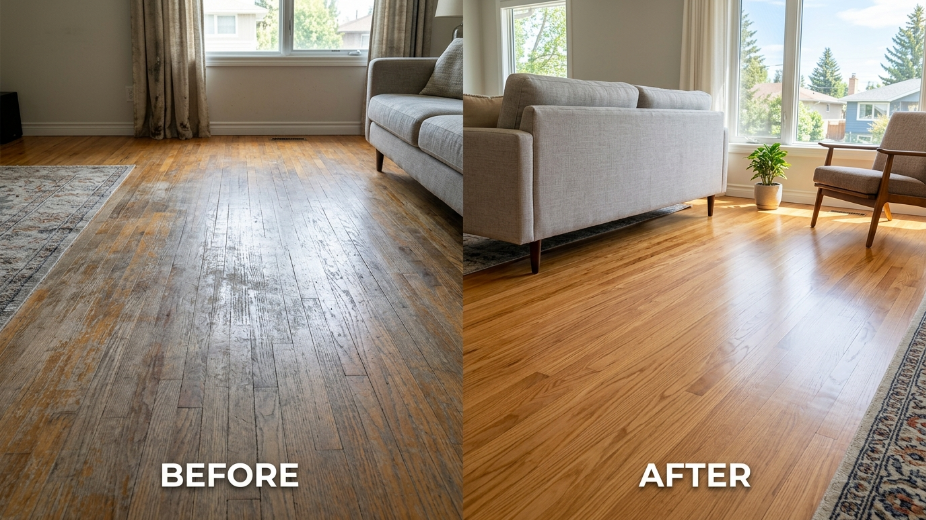
          Need Help in Hardwood Floor Installation?

          Choosing the right hardwood flooring species is one of the most important steps in creating a durable and visually appealing home. Calgary’s climate requires careful consideration, making it essential to select a species that can handle environmental changes without compromising performance. If you’re planning to install hardwood flooring contact us today to get the best results from your investment.

            How Often Should You Refinish Hardwood Floors in Calgary 19

            Nail Down vs Glue Down Hardwood Flooring Guide

            Nail Down vs Glue Down Hardwood Floors in Calgary

            Restore the natural beauty of your floors with our expert hardwood floor polishing service in Calgary. We remove dullness, scratches, and wear to bring back a smooth, rich finish that looks like new. Using professional grade products and proven techniques, we deliver long-lasting shine and protection.

            So you’ve picked your hardwood. Spent way too long choosing between white oak and hickory. Finally settled on something. And now someone, your contractor, a YouTube video, and a flooring salesperson throws a new question at you: “Do you want it nailed down or glued down?”

            And you’re like… wait, that’s a whole separate decision?

            Yeah. It is. And honestly, it matters more than most people realize. The nail down vs glue down hardwood flooring debate isn’t just contractor jargon. It affects how your floor feels, how long it lasts, how much it costs, and what happens years later if something goes wrong. If you’re already thinking about hardwood floor installation, understanding this upfront saves a lot of headache down the road. This guide walks through both methods not in a textbook way, but the way you’d explain it to a friend who just bought their first house.

            Whether you’re starting from scratch or looking into custom hardwood flooring options for a specific room, the installation method you choose plays a bigger role than most people expect. Let’s get into it.

            What Are the Main Hardwood Flooring Installation Methods?  

            Before getting into the specifics, it’s worth knowing what your actual options are when it comes to hardwood flooring installation methods. There are three:

            Nail Down: planks are fastened to a wood subfloor using nails or staples driven through the tongue of each board. Traditional. Time-tested. Still the default for solid hardwood in a lot of North American homes.

            Glue Down:planks are bonded directly to the subfloor using a professional-grade adhesive. No nails. The whole board sits in a layer of glue. Works on both wood and concrete subfloors.

            Float: boards aren’t attached to the subfloor at all. They click or lock together and just float. Common for engineered wood in DIY projects.

            This article focuses on the first two. The floating method is a whole separate conversation, though we’ll touch on glue down vs floating hardwood briefly because it comes up a lot.

            Nail Down Hardwood Flooring and How It Actually Works

            Flooring nailer on hardwood plank

            This is the classic method. Has been around forever. When your grandparents’ house had gorgeous oak floors, they were almost certainly nailed down.

            The process: a flooring nailer or stapler drives fasteners at a 45-degree angle through the tongue of each plank into the subfloor below. Because the nail goes through the tongue and not the face of the board, you can’t see them once the next plank is laid. That’s what people mean by blind nailing hardwood floors the fasteners are hidden.

            You work row by row across the room. The first couple of rows near the wall usually get face-nailed (and those holes filled), because there’s not enough room to swing the nailer. Then from the third row onward, it’s all blind nailing.

            Tools you need: a pneumatic flooring nailer or stapler, a compressor, a rubber mallet, a pull bar, probably a table saw for cutting. Not exactly a simple setup. But experienced contractors work fast with it.

            When Nail Down Makes Sense

            Plywood subfloor for hardwood is the key phrase here. Nail down only works when there’s something solid for the fasteners to grip. That means plywood or OSB (oriented strand board), usually at least 3/4 inch thick. Joists work too, though that’s less common in modern homes.

            It does NOT work directly on concrete. No amount of determination changes that. Nails have nothing to grip in a concrete slab.

            So if you have:

            • A wood-framed house with plywood subfloor
            • Solid hardwood planks
            • Boards that are at least 18mm thick

            Nail down is probably your method.

            The Solid Hardwood Floor Installation Standard

            For solid hardwood floor installation, nail down is still the professional standard. Solid wood is thick and rigid typically 3/4 inch and it handles the fasteners without splitting. It also needs room to breathe. Wood expands and contracts with humidity changes throughout the year. Nail down allows that natural movement because the planks aren’t locked in place by adhesive; they’re just pinned at intervals, so there’s some flex.

            That said, Wide planks are a different story. Once you get into boards 5 inches or wider sometimes called wide plank hardwood installation nail alone isn’t always enough. Wider boards have more surface area exposed to humidity swings, and without extra support, they can cup, bow, or develop gaps. A lot of installers in that scenario will do a combination: nail plus a glue assist. Basically adding a thin bead of adhesive along the subfloor as they nail. More on that later.

            Glue Down Hardwood Flooring and What It Involves

            Glue down is messier. More involved. Also more versatile.

            The process: the installer spreads a flooring adhesive across a section of the subfloor using a notched trowel, then lays planks into it. Work in sections maybe a square meter at a time because the adhesive has an open time before it starts to set. Push planks together, check alignment, keep going. Flooring straps or tape can hold boards in place while the glue cures.

            The adhesive isn’t like wood glue or construction adhesive. It’s specifically formulated for flooring. The most common type used by professionals is urethane adhesive for hardwood floors it’s flexible after curing, which matters because wood still needs some ability to move with moisture changes. A rigid adhesive would just crack or cause the planks to buckle.

            Engineered Hardwood Glue Down

            This is where glue down really shines. Engineered hardwood glue down is probably the most common application of this method today. Engineered wood has a plywood core with a real hardwood veneer on top. It’s more dimensionally stable than solid wood, handles moisture better, and is often thinner, sometimes only 1/2 inch. Thinner boards don’t hold nails as well. Gluing them down gives better results.

            It’s also the method of choice when you’re dealing with hardwood floor over concrete subfloor. Can’t nail into concrete. But you can absolutely glue into it as long as the slab is properly prepped, dry, and level.

            Glue Down on Concrete and What You Need to Know

            rethane adhesive on concrete subfloor

            Concrete is porous. And damp. That’s the reality. Even concrete that looks dry might have moisture vapor moving through it. If you glue hardwood down on a slab without dealing with moisture, the adhesive bond weakens over time and the floor starts to buckle or separate.

            That’s why hardwood flooring moisture barrier products exist. Before gluing, you need to test the concrete for moisture vapor emission (there are simple tests for this). Depending on results, you might need a moisture vapor barrier or primer applied first. Some urethane adhesives have built-in moisture mitigation properties, which simplifies things.

            Subfloor preparation for hardwood is not optional. Whether it’s concrete or plywood, the surface needs to be flat (within 3/16 inch over 10 feet), clean, dry, and structurally sound. Any low spots need to be filled. High spots ground down. Skip this step and you’ll pay for it later.

            Nail Down vs Glue Down: A Side by Side Breakdown

            nail down vs glue down

            Let’s just put it on a table. Sometimes that’s the clearest way.

            Factor

            Nail Down

            Glue Down

            Subfloor requirement

            Wood only (plywood/OSB)

            Wood or concrete

            Best for

            Solid hardwood

            Engineered hardwood, wide planks

            DIY-friendly

            More accessible

            Not recommended for DIY

            Installation speed

            Faster

            Slower (adhesive open time)

            Cost

            Lower

            Higher (adhesive + prep)

            Sound/feel underfoot

            Slightly hollow feel

            Dense, solid feel

            Moisture protection

            Requires underlayment

            Requires moisture testing/barrier

            Repair ease

            Easier (pop nails, replace board)

            Harder (adhesive bonded)

            Movement over time

            Some flex allowed

            More rigid/stable

            Wide plank suitability

            Needs glue assist

            Excellent

            Neither method is universally better. It really depends on the specifics of your project.

            The One Thing Nobody Talks About: How It Feels Underfoot

            This actually matters. Walk across a nail-down floor versus a glue-down floor and there’s a subtle difference.

            Nail-down floors have a tiny bit of give. Not bouncy, but there’s a slight flex because the boards aren’t fully bonded to the surface below. Most people can’t describe what it is, they just say it feels like “wood floors.”

            Glue-down floors feel denser. More solid. Like the floor is part of the building. High-traffic areas or commercial spaces often prefer this because there’s less chance of long-term movement or noise.

            Speaking of noise, squeaky nails down hardwood floors are a real thing. Over time, as the wood expands and contracts through seasons, nails can work slightly loose. Or the wood rubs against the subfloor. The result is creaking or squeaking, especially in older homes. It’s not always a sign of a structural problem, but it is annoying. Using ring-shank nails instead of smooth-shank reduces the risk. So does good felt underlayment between the subfloor and the hardwood.

            Glue-down floors don’t squeak in the same way. The adhesive eliminates that wood-on-wood friction. That’s one real advantage.

            Hardwood Floor Expansion and Contraction and Why It Should Guide Your Choice


            Wood moves. Always has. Always will. This is one of the most important things to understand before choosing an installation method.

            Hardwood floor expansion and contraction happens with humidity. In dry winter months, wood loses moisture and contracts. Boards can develop gaps. In humid summers, the opposite boards absorb moisture and swell. If there’s nowhere for that expansion to go, you get cupping or buckling.

            Every hardwood installation needs an expansion gap around the perimeter, usually at least 1/2 inch to allow for this seasonal movement. The gap gets covered by baseboards or quarter round, so you don’t see it. But skipping it is a rookie mistake that causes serious problems.

            Nail down allows more natural movement. The planks are fastened at intervals, not bonded across their entire surface. So they can flex and breathe more freely.

            Glue down restricts movement. The adhesive holds each plank flat against the subfloor. This is actually good for wide planks, which otherwise have a lot of surface area that can warp. But it means the adhesive has to be flexible enough to accommodate some movement without cracking. That’s why urethane adhesives are standard they stay elastic after curing.

            Flooring Adhesive for Hardwood and Choosing the Right One

            If you’re going glue down, the adhesive choice matters. There are a few categories:

            Urethane-based adhesives: the gold standard for most hardwood glue-down jobs. Strong bond, flexible after cure, moisture-resistant. Most professional installers default to these. Moisture-cure urethanes work particularly well in high-humidity environments or over concrete.

            Pressure-sensitive adhesives: used more for floating installations or some engineered products. Less common for full-spread glue down.

            Epoxy adhesives: two-part systems. Very strong. Used in commercial settings or when you need extreme bond strength. Overkill for most residential projects.

            The flooring adhesive for hardwood you choose should be compatible with both your subfloor type and your specific hardwood product. Always check the manufacturer’s recommendations. Some hardwood warranties require specific adhesives, and using the wrong one can void coverage.

            One practical note: spreading adhesive is not like painting a wall. You need the right notched trowel (the notch size affects how much adhesive gets applied), the right coverage rate, and attention to working time. Too much adhesive creates problems. Too little and the bond fails. This is part of why glue down isn’t generally recommended as a DIY hardwood floor installation project.

            DIY Hardwood Floor Installation and Which Method Is Actually Doable

            Hardwood floor refinishing

            Real talk. Nail down is more accessible for a skilled DIYer. The tools are available at rental centers. The process is logical and somewhat forgiving. If you’ve done other flooring projects and have a weekend, it’s manageable.

            Glue down is a different story. The adhesive troweling technique takes practice. Working times are tight. You can’t rush it and you can’t really undo it if something goes wrong mid-install. Most flooring professionals strongly recommend hiring out glue-down installations, especially over concrete or for large areas.

            If you’re a confident DIYer who wants to save money and has a plywood subfloor nail down is your method.

            If you have concrete, wide planks, or are doing a herringbone/parquet pattern hire a professional and go glue down. A team that specializes in hardwood floor installation will know exactly how to handle subfloor prep and adhesive application so the finished result actually holds up long-term.

            Glue Down vs Floating Hardwood and What the Difference Actually Is

            Since it comes up: glue down vs floating hardwood is a different comparison than nail vs glue.

            Floating means the planks lock together mechanically and sit over a foam or felt underlayment without being attached to the subfloor at all. It’s the fastest install method. Popular for rental properties, basements, and renovation projects where speed and cost matter most.

            The tradeoff: floating floors feel hollow. They can shift over large areas. Wide planks (anything over about 5 inches) shouldn’t float because the movement becomes unmanageable over time. And in rooms with major humidity swings, floating floors are more prone to issues.

            Floating is fine for the right situation. For most permanent hardwood installations in primary living areas, either nail down or glue down produces a better long-term result.

            Hardwood Flooring Installation Cost and What to Expect

            Cost is almost always part of the conversation. Here’s roughly how the methods compare:

            Cost Factor

            Nail Down

            Glue Down

            Materials (adhesive)

            None

            $1–2/sq ft

            Labor

            Moderate

            Higher (more prep, slower install)

            Tool rental (DIY)

            $50–100/day for nailer

            Not DIY-recommended

            Subfloor prep

            Basic leveling

            More involved, especially concrete

            Total installed cost (professional)

            $3–7/sq ft (labor only)

            $4–9/sq ft (labor + adhesive)

            These are rough ranges. Region, contractor, and floor complexity all affect the final number. Hardwood flooring installation cost goes up significantly if the subfloor needs major work grinding high spots on concrete, adding a moisture barrier, or replacing damaged plywood.

            One thing worth asking your contractor: does the quote for nail-down include a glue assist if your planks are wide? On boards 5 inches and wider, adding a glue assist is standard best practice. Some installers quote without it, which can cause problems down the line.

            If you are planning a larger home renovation that includes updating your living room layout, it is worth looking at how your new floor meets existing focal points. For instance, if you are refreshing your hearth setup through a specialist like Classic Fireplace, the choice between nailing and gluing becomes critical at the transition point. Gluing down the boards immediately adjacent to a stone or brick hearth provides a cleaner, flush finish without the need for bulky transition moldings, keeping the focus on the masonry while still protecting the wood’s natural expansion needs. 

            Hardwood Floor Repair After Glue Down and Worth Thinking About Upfront

            Here’s a thing most people don’t consider until it’s too late: what happens if one board gets damaged?

            With nail-down floors, repairs are relatively straightforward. You pry up the damaged plank, replace it, and re-nail. A good flooring contractor can do it cleanly without disturbing the surrounding boards much.

            Hardwood floor repair after glue down is more complicated. The boards are bonded to the subfloor. Getting one out without damaging adjacent boards takes careful work, usually a router to cut the damaged board into sections, then chiseling out the pieces, then scraping residual adhesive off the subfloor before gluing in the replacement. It’s doable, but it’s labor-intensive. If you need this kind of work done, it’s worth calling in a team that specifically handles hardwood floor repair rather than a general contractor who dabbles in flooring.

            This isn’t a reason to avoid glue down, it’s just worth knowing going in. If your floors see a lot of heavy furniture moving, pets, or high-impact use, factor this into your thinking.

            What About Refinishing Later?

            One more thing that doesn’t get discussed enough in the nail vs glue debate: what happens to the floor five or ten years from now when it needs some love?

            Both nail-down and glue-down solid hardwood can be refinished. The installation method doesn’t change that. But the condition of the floor after years of use might. Glue-down floors that have stayed perfectly flat and stable are easier to sand uniformly. Nail-down floors that have developed slight gaps or cupping between boards can be trickier.

            Either way, professional hardwood floor refinishing is one of the best investments you can make in an older floor. It adds years of life, restores the original color, and costs a fraction of full replacement. Worth planning for from the start, regardless of which installation method you go with.

            So Which One Should You Actually Choose?

            Here’s the short version.

            Choose nail down if:

            • You have a plywood or OSB subfloor
            • You’re installing solid hardwood
            • You’re doing a DIY installation
            • Your planks are under 5 inches wide
            • Budget is a consideration

            Choose glue down if:

            • You have a concrete subfloor
            • You’re installing engineered hardwood
            • You’re going with wide planks (5″+)
            • You want maximum stability and a dense feel underfoot
            • You’re doing a herringbone, parquet, or complex pattern layout

            Consider both (glue assist + nail) if:

            You have solid hardwood planks that are 5 inches or wider on a plywood subfloor

            There’s no wrong answer as long as the method matches your subfloor, your wood, and your situation. The wrong answer is picking one without checking those basics first.

            Most homeowners figure this out after one conversation with a decent flooring contractor. The issue is when you go in without knowing anything then it’s easier to get steered toward whichever method the installer is most comfortable with, rather than what’s actually best for your floor. Knowing the difference means you can ask the right questions and hold the right conversation before work begins.

            If you’re looking for something a bit more tailored to your home maybe a specific species, finish, or layout custom hardwood flooring is worth exploring too. Not every project is a standard plank install, and sometimes the installation method follows the design choice rather than the other way around.

            No. Nail-down installation requires a wood-based subfloor (plywood or OSB) for the fasteners to grip. You cannot nail directly into a concrete slab. For concrete subfloors, glue down is the correct method often with a moisture barrier or primer applied first depending on moisture vapor test results.

            It depends on the subfloor. On a plywood subfloor, either method works for most engineered hardwood though thinner boards (under 1/2 inch) generally do better glued. On concrete, glue down is the only real option. For wide-plank engineered hardwood, glue down is typically recommended regardless of subfloor to prevent cupping and bowing.

            Done correctly with quality adhesive and proper subfloor prep, glue-down hardwood can last as long as the wood itself 20, 30, even 50+ years. The lifespan depends heavily on subfloor preparation, the adhesive used, and moisture management. A floor glued over a damp concrete slab without proper moisture testing will fail much sooner.

            Yes, for many engineered hardwood products. Floating works well for boards under about 5 inches wide in rooms with stable humidity. It's not recommended for wide-plank engineered hardwood, which benefits from the stability of a glued installation. Always check the manufacturer's installation guidelines; some products allow all three methods; others specify one.

            Squeaking in nail-down floors usually comes from wood rubbing against the subfloor or fasteners that have worked slightly loose over time due to seasonal expansion and contraction. Using ring-shank nails (which grip better than smooth-shank) reduces the risk. An underlayment of rosin paper or 15-lb felt between the subfloor and hardwood also helps dampen friction. Squeaks can often be reduced after the fact by injecting construction adhesive from below through the subfloor, though full elimination sometimes requires pulling up the affected boards.

            How to choose a hardwood flooring contractor in Calgary

            How to choose a hardwood flooring contractor in Calgary

            How to choose a hardwood flooring contractor in Calgary Learn how to choose a hardwood flooring contractor in Calgary by checking experience, insurance, past projects and written quotes before you hire. Contact Us Your floors will be under your feet for 20 years or more. The person you hire to…

            Hardwood Flooring Cost Calgary: 2026 Price & Installation Guide

            Hardwood Flooring Cost Calgary: 2026 Price & Installation Guide

            Hardwood Flooring Cost in Calgary: What You’ll Actually Pay Planning your project but unsure about hardwood flooring cost in Calgary? This guide explains installation, refinishing, and repair expenses to help you plan your flooring budget. Contact Us If you’re planning to install, repair, or refinish hardwood flooring in Calgary, understanding…

            Matte vs Gloss Hardwood Flooring | Arbutus Hardwood

            Matte vs Gloss Hardwood Flooring | Arbutus Hardwood

            Matte vs gloss hardwood flooring: which finish is right for your home? Matte vs gloss hardwood flooring, see which finish suits Calgary homes best for durability, style & upkeep. Get expert advice from Arbutus Hardwood. Contact Us Matte vs gloss hardwood flooring feels like a small decision until you’re standing…
            Need Help in Hardwood Floor Installation?

            Choosing the right hardwood flooring species is one of the most important steps in creating a durable and visually appealing home. Calgary’s climate requires careful consideration, making it essential to select a species that can handle environmental changes without compromising performance. If you’re planning to install hardwood flooring contact us today to get the best results from your investment.

              Nail Down vs Glue Down Hardwood Flooring Guide 23

              6 Critical Signs You Need Hardwood Floor Repair in calgary

              6 Critical Signs You Need Hardwood Floor Repair

              If you’re noticing gaps, loose planks, water damage, or other signs you need hardwood floor repair, professional attention can help stop the problem from getting worse. Timely repairs can restore the beauty and durability of your hardwood floors.

                 So you’ve been staring at a spot on your floor for a few weeks now, telling yourself it’s nothing. Maybe it’s a gap that wasn’t there last summer, or a board that talks back every time someone walks past the kitchen. Honestly, that hesitation is normal. Most people don’t call a flooring guy until something’s been bugging them for a while. But there are some real signs you need hardwood floor repair that are easy to miss if you’re not sure what you’re looking at, and Calgary’s climate doesn’t make it any easier our winters are brutally dry, and that does things to wood that homeowners in wetter cities never have to deal with.

              This isn’t going to be one of those “10 tips” listicles you’ve already read five versions of. I want to walk through what’s actually happening under your feet, why it happens more here than in, say, Vancouver or Toronto, and how to tell the difference between “eh, give it a season” and “call someone now.”

              Why Calgary Floors Age Differently

              If you’ve lived here more than a winter or two, you already know the air gets brutal in January. Indoor humidity can drop into the single digits some weeks. Wood doesn’t love that. It’s basically a sponge that’s spent its whole life trying to find equilibrium with whatever moisture is in the room, and when that moisture disappears, the wood shrinks. That’s where a lot of these issues start not from bad installation necessarily, just from the wood doing what wood does in a climate like ours.

              So before we get into specific red flags, it helps to know that some movement is just part of owning hardwood here. Small seasonal gaps in January that mostly close up by July? Normal. The trouble starts when things don’t bounce back, or when the damage clearly isn’t seasonal at all.

              There’s also a Calgary specific wrinkle that doesn’t get talked about much. A lot of homes here were built or had floors installed during boom years when crews were stretched thin and timelines were tight. Acclimation, which is letting the wood sit in the house for a week or two before installation so it adjusts to the indoor environment, sometimes gets skipped or shortened. That decision from fifteen or twenty years ago is still showing up today as wider-than-normal gaps or boards that move more than they should. It’s not really anyone’s fault at this point, just something worth knowing if you’re trying to figure out why your floor seems “worse” than your neighbor’s even though both houses were built around the same time.

              If you are noticing these issues and are unsure whether they are normal or signs of a larger problem, it may be worth having a professional inspect your floor. Our hardwood floor repair services can help identify the cause of the issue and recommend the right solution before the damage becomes more expensive to fix. 

              1. Cupping, Crowning, or Outright Buckling Wood Floors

              Damaged hardwood flooring

              One of the clearest signs you need hardwood floor repair is when boards begin changing shape.

              What Is Cupping?

              Cupping happens when the edges of a board rise higher than the center. The board begins to look slightly curved.

              This problem is usually caused by moisture. Water may be coming from underneath the floor, a plumbing leak, excess humidity, or poor ventilation.

              What Is Crowning?

              Crowning is the opposite of cupping. The center of the board rises higher than the edges.

              This can happen when a previously cupped floor is sanded before it has fully dried. Once the moisture problem is gone and the wood returns to normal, the center remains higher than the edges.

              What Is Buckling?

              Buckling is the most serious of the three problems.

              Instead of slightly changing shape, the boards begin lifting away from the floor underneath them. In severe cases, sections of flooring may rise several inches.

              Buckling is usually caused by major moisture problems such as flooding, burst pipes, or water trapped under the floor for a long period.

              How These Problems Are Repaired

              The first step is always finding and fixing the source of moisture.

              Once the moisture problem has been corrected, the wood needs time to dry naturally. After moisture levels return to normal, a flooring professional can determine whether sanding, repairs, or board replacement is needed.

              If buckling has occurred, damaged boards often need to be removed and replaced.

              Fixing the moisture problem first is essential. Otherwise, the same issue will likely return.

              2. Gaps in Hardwood Floor Winter When Normal Becomes a Problem

              Wood floor gaps measuring ruler

              Every solid hardwood floor in Calgary develops some gapping in winter. It’s basically guaranteed. The question isn’t whether you’ll see gaps, it’s whether they’re seasonal and shrinking, or permanent and growing.

              Type of Gap

              Typical Cause

              Normal or Concerning?

              Hairline gaps appearing only in winter

              Low indoor humidity (common Calgary issue)

              Normal, usually closes by summer

              Gaps under 2mm that persist year-round

              Acclimation issue during installation

              Mildly concerning, monitor

              Gaps over 2mm that don’t close

              Subfloor movement or chronic low humidity

              Needs professional repair

              Gaps clustered near exterior walls only

              Poor insulation or humidity imbalance

              Worth investigating insulation too

              Gaps with visible darkening at edges

              Possible moisture or dirt buildup

              Repair recommended

              For the wider stuff, putty is honestly a band-aid  that cracks out within a year or two. The better fix, and what we typically do, is cutting thin slivers of matching wood and gluing them directly into the gap so it becomes a real wood-to-wood bond instead of a filler that’s just sitting there waiting to pop loose. For the really fine hairline gaps, mixing actual sanding dust from your own floor into a resin paste gets you a color match that putty from a hardware store just can’t touch.

              If your humidity at home runs low all winter (and in Calgary, it often does), running a humidifier for a few days before any gap repair matters more than people think. Repair wood that’s still actively shrinking and you’re repairing something that’s going to keep moving.

              A lot of homeowners ask whether they should just leave winter gaps alone since they close up anyway. For genuinely seasonal hairline gaps, that’s not unreasonable; chasing every tiny gap with filler every single winter is overkill, and the wood needs room to move or you risk buckling instead. But there’s a saying that separates “normal seasonal” from “needs attention.” Run your finger along the edge of a persistent gap. If it feels sharp or splintery, that edge has likely dried out enough that it’s becoming brittle, and brittle edges chip and catch on socks or bare feet. That’s usually the point where it’s worth addressing even if the gap technically narrows again come summer.

              Worth mentioning too, gaps that show up in a totally new spot, somewhere they’ve never appeared before, are a slightly different conversation than gaps that have always shown up in the same few boards every January. New, unexpected gapping sometimes points to a change in the home itself: maybe a furnace humidifier stopped working, maybe an addition or renovation changed airflow patterns in that room. Worth a quick check of your home’s humidity levels with a basic hygrometer before assuming it’s just the usual winter thing.

              3. Deep Scratches, Gouges, and Hardwood Floor Splintering

              Hardwood floor damage comparison

              Surface scratches are just life. Pets, shoes, the leg of a chair someone dragged instead of lifted. Those are cosmetic and a screen-and-recoat usually handles them in an afternoon.

              What’s different is when a scratch goes deep enough to expose raw wood, or when you start noticing hardwood floor splintering little slivers of wood actually lifting up or breaking off, especially in high-traffic paths like hallways or in front of a couch. That’s a sign the finish has worn through completely in that spot, and the wood itself is taking the abuse now instead of the protective coating.

              Honestly, once you see splintering, that’s not really a “wait and see” situation anymore. Bare wood soaks up moisture, dirt gets ground into the open grain, and the damage spreads faster than people expect. The repair side of this usually involves a structural filler, sometimes a wood epoxy, sometimes a color-matched burn-in wax pressed into the gouge, then leveled flush with a cabinet scraper so there’s no bump underfoot. After that, some shops will even hand-paint grain lines back into the filled area with a fine brush so it doesn’t look like an obvious patch. It sounds excessive until you’ve seen a poorly filled scratch under afternoon light. It sticks out like a sore thumb.

              There’s also a category of damage that falls somewhere between a regular scratch and full splintering, which is the dragging mark from furniture legs without protective pads. These tend to be wider and shallower than a typical scratch, almost like a groove, and they show up most around dining tables, couches, and anywhere chairs get pushed back from a desk repeatedly. They’re usually fixable with the same structural filling approach, though if the groove is wide enough, sometimes a localized sand-and-blend works better than trying to fill it, since filler in a wide shallow area can look like a patch no matter how well it’s color-matched.

              One thing worth flagging pet claws create a slightly different wear pattern than most other scratches. Instead of one clean line, you tend to get clusters of short, curved scratches concentrated near doorways, by windows where pets watch the street, or along favorite walking paths through the house. Individually those marks look minor, but the cumulative effect over a few years of a medium or large dog can wear through the finish across an entire section faster than people expect, just because of how repetitive the traffic pattern is.

              4. Water Damage Hardwood Floor Signs (Including Black Stains and Graying)

              Water is, without question, the worst thing that can happen to a hardwood floor. Worse than scratches, worse than normal wear, worse than most furniture damage combined.

              Some of the more common water damage hardwood floor signs to watch for:

              • Dark, almost blackish discoloration that doesn’t match the surrounding wood
              • A musty smell near baseboards, especially in a spot that doesn’t get much airflow
              • Boards that feel soft or give slightly when you press on them
              • Cupping concentrated in one specific area rather than spread evenly

              When hardwood floors turn gray, that’s usually long-term UV exposure or oxidation rather than fresh water damage, a different problem, different fix, usually solved with sanding and a fresh coat rather than anything structural. But black stains on wood floors are a different story entirely. Black almost always means water has been sitting long enough to start breaking down the wood fibers or feeding mold underneath the surface. If the wood hasn’t softened yet, sometimes sanding it out works. If it’s gone soft or the black has spread deep into the grain, the boards usually need to come out.

              So how to tell if a wood floor has water damage for sure, rather than guessing? Professionals use moisture meters and sometimes thermal imaging to map out where the water actually traveled, because it’s common for it to spread sideways under the baseboards even when the visible surface looks dry. We’ve walked into homes where the homeowner thought it was a small spot near the dishwasher, and the meter showed moisture three feet further than anyone expected. Drying it out properly and this part matters has to happen slowly. Pull moisture out too fast with aggressive heat and the wood can split or check instead of drying evenly.

              The drying process itself usually relies on industrial dehumidifiers, the kind that pull deep-seated moisture out gradually rather than just running a regular home dehumidifier and hoping for the best. Combined with air movers positioned to push airflow across the affected boards, this can take several days to a week depending on how much water got in and how long it sat there before anyone noticed. Once moisture readings come back down to a safe range, usually somewhere around 8 to 10 percent, the boards get reassessed. Some will have stayed structurally sound and just need refastening if they loosened. Others will have cupped permanently or started rotting, and those come out.

              A detail that surprises a lot of homeowners’ water damage doesn’t always announce itself right away. Sometimes a small spill gets wiped up promptly and looks like a non-event, but if even a little moisture works its way into a seam between boards, it can sit there quietly for months before any visible sign shows up. That’s part of why a slow leak under a fridge or behind a washing machine is so much more damaging long-term than an obvious one-time spill — nobody’s watching for it, so it just keeps feeding moisture into the same spot day after day.

              5. Pet Urine Stains on Hardwood Floor

              This one deserves its own section because it’s genuinely different from regular water damage, and a lot of people try to handle it the same way.

              Pet urine stains on hardwood floors soak in differently than spilled water because of the ammonia content, and once it’s gone dark, bleaching almost never actually fixes it and can even damage the surrounding finish if you try. If the wood has turned black from urine, the affected boards typically need to be pulled, the subfloor treated with an odor-sealing product, and new matching boards put in. Trying to sand it out alone usually just exposes more discoloration underneath, because the staining tends to run deeper than the sanding depth allows for.

              If you’ve got a dog or a cat and you’re noticing a smell that seems to come from the floor specifically, not just “the house generally,” it’s worth checking sooner than later. The longer it sits, the deeper it travels into the grain.

              6. Squeaky Floors, Loose Planks, and Hollow Sounds Underfoot

              Okay, this last category covers a few related things, but they’re all pointing toward the same root issue most of the time: something underneath the surface has shifted.

              How to fix squeaky hardwood floors?

               the actual answer depends on why they’re squeaking in the first place. Sometimes it’s as simple as a fastener that’s worked loose over the years and just needs to be re-secured. Other times it’s the subfloor itself moving slightly under load, which is a bigger job. A few squeaks here and there in an older home, not a huge deal. A sudden increase, or squeaks concentrated in one specific spot, usually means something’s actually loosened underneath.

              Loose hardwood floor planks:

               are related but a bit more obvious you can feel the board shift or rock when you step on it, not just hear noise. Left alone, a loose board puts extra stress on the boards next to it, so what starts as one board can turn into three or four over a year or two.

              Soft spots in hardwood floor:

               are the one that gets people’s attention fastest, because it genuinely feels different underfoot, almost springy or slightly sunken. That’s usually rot or sustained moisture damage doing its work below the surface, and it’s not really a “wait it out” situation. Walking on a weakened spot regularly just accelerates things.

              And then there’s the hollow sound under wood flooring, which a lot of homeowners notice when they’re vacuuming or just walking around barefoot, a spot that sounds different, almost like there’s an air pocket underneath. That usually points to the subfloor not being properly bonded to the planks above it in that section, which can happen with age or with installations that didn’t get enough adhesive coverage originally.

              Show Image Alt tag: inspecting loose hardwood floor planks near baseboard with flashlight

              If you’ve got a hardwood floor repair Calgary company come take a look, this is usually where they’ll walk the whole floor and tap around with a mallet or just listen sounds simple, but it tells a trained ear a lot about where the subfloor has separated.

              Worth noting, squeaks and hollow sounds aren’t always urgent the way water damage or splintering can be. A house can squeak for a decade without the floor failing structurally. But the reason people eventually get it fixed isn’t usually safety; it’s that the compound squeaks. One creaky board near the kitchen turns into “the whole hallway sounds like a haunted house” within a few years, especially in a busy household with kids or pets running through regularly. At that point, the fix is the same whether you do it now or later, except later usually means more boards involved and a bigger job.

              There’s also a slightly less obvious cause worth mentioning: seasonal wood movement combined with nail or staple fasteners that were driven at a slight angle during original installation. Over years of expansion and contraction, that angled fastener works its way slightly loose with every cycle, even if the installation was otherwise solid. It’s not really anyone’s fault it’s just an accumulation of small movements over a long time, which is honestly true of a lot of hardwood floor problems generally. Nothing happens overnight. It’s death by a thousand cycles of dry winter, humid summer, repeat.

              Hardwood Floor Repair vs Refinishing

              People mix these up constantly, so here’s the short version.


              Repair

              Refinishing

              Fixes

              Loose boards, gaps, water damage, structural issues

              Surface dullness, light scratches, color fading

              Depth of work

              Goes below the surface, into boards/subfloor

              Sands and recoats the top layer only

              When it’s used

              Localized, isolated damage

              Floor-wide wear that’s mostly cosmetic

              Can they be combined?

              Yes, repair damaged boards first, then refinish for a uniform look

              Often the final step after repair

              Honestly, a lot of jobs need both. Repair the actual problem areas, then refinish the whole floor so it doesn’t look like a patchwork of old and new. You can check out our hardwood floor refinishing page for more on how that process works on its own.

              When to Replace Hardwood Floors Instead of Repairing

              Not every damaged floor is a repair candidate, and it’s worth being honest about that instead of trying to sell a fix that won’t hold.

              Generally, when to replace hardwood floors comes down to a few things. If the wood has gone soft across a wide area rather than just one or two boards. If black water staining has spread through a large section rather than staying localized. If the floor has already been sanded down close to its limit over the decades (solid hardwood can typically handle several refinishes over its life, but eventually there’s not enough wood left to sand). Or if the subfloor underneath is compromised in a way that no amount of board replacement will fix long-term.

              For engineered hardwood specifically, it’s a bit more limited the real wood wear layer on top is usually only 2 to 4mm thick, so once damage goes past that into the core material, you’re often looking at replacing that section rather than sanding it.

              If you’re at that point, our hardwood floor installation team can talk through whether full replacement or a partial section swap makes more sense for your specific floor.

              What Repair Actually Costs (So You’re Not Guessing)

              People always want a number, so here’s a rough sense of it. Hardwood floor scratch repair cost and other localized structural work tends to run somewhere between $20 and $40 per square foot for the specific area being treated that’s higher per square foot than full installation pricing because it’s detailed, manual labor rather than laying out large sections of new flooring. Obviously that range moves depending on whether you’re dealing with simple surface scratches or something that involves subfloor access, moisture remediation, board matching, the whole thing.

              This is part of why a professional wood floor inspection before any work starts actually saves money rather than costing extra. Guessing at the cause and paying for the wrong fix is the expensive route.

              Getting an Actual Inspection Done

              If you’ve read through this and you’re recognizing two or three of these signs in your own place, the next reasonable step is getting eyes on it not a guess from a forum post, an actual look from someone who does this daily.

              A real professional wood floor inspection usually involves checking moisture levels with a meter, sometimes thermal imaging if water damage is suspected, and a physical walk of the floor to listen for hollow spots or movement. That tells you whether you’re looking at a $300 fix or something that involves pulling boards. Worth knowing before you commit to anything.

              If you’re trying to find local hardwood flooring contractors who actually understand Calgary’s climate specifically, not just generic flooring advice copied from a city where humidity isn’t an issue, local knowledge ends up mattering more than people expect going in.

              Why a Calgary Hardwood Floor Repair Company Matters Specifically

              This is maybe the part that gets glossed over the most. A lot of flooring advice online is written for climates that don’t deal with single-digit indoor humidity for three or four months a year. What works for a floor in Seattle or Toronto doesn’t always translate directly here.

              A Calgary hardwood floor repair company that’s been doing this locally for a while will know, for instance, that fixing humidity gaps in wood floors Calgary style means checking the home’s humidity levels before doing any gap work at all because repairing a gap while the wood is still actively shrinking just means redoing it next winter. They’ll also know which neighborhoods tend to have older subfloors that need extra attention, and which builds from certain decades had installation shortcuts that show up as repair issues fifteen or twenty years later.

              We’ve been doing this in Calgary for more than three decades now at Arbutus, and honestly, the climate piece is the thing that separates a generic repair from one that actually holds. You can check out our hardwood floor repair page if you want the full breakdown of how we approach it, or our hardwood floor polishing service if what you’re actually dealing with is more about restoring shine than fixing structural stuff.

              A Quick Word on the Website Side of Things

              Slightly off-topic from floors, but worth mentioning if you’re a fellow flooring or home services business reading this wondering how to actually get a page like this ranking, the technical side of SEO and web development matters just as much as the writing. We’ve worked with Clear Solutions IT for our own site’s development and SEO, and they handle the full scope of website-related work for us. Just passing that along in case it’s useful to anyone in a similar spot.

              So, Where Does That Leave You

              If you’ve made it this far, you probably already had a decent idea something was off before you started reading that’s usually how it goes. The signs you need for hardwood floor repair aren’t always dramatic. Sometimes it’s just a board that’s a little too vocal, or a patch near the back door that looks slightly different than it used to. Calgary’s dry winters mean some of this is just par for the course, but the stuff that doesn’t bounce back with the seasons, or feels different underfoot, or smells a little off near the baseboards that’s worth getting a second pair of eyes on sooner rather than later. Floors are forgiving for a while. Just not forever.

              FAQs

              How do I know if my hardwood floor needs repair or just refinishing? 

              If the damage is mostly surface-level scratches, dullness, fading refinishing usually covers it. If you’re dealing with gaps, loose boards, water damage, or anything structural, that’s repair territory, sometimes followed by a refinish to even out the look.

              Is it normal for hardwood floors to have gaps in winter?

               Yes, especially in Calgary. Low indoor humidity causes wood to shrink slightly, and small gaps that close up again by summer are considered normal seasonal movement.

              Can cupped hardwood floors be fixed without replacing the boards?

               Often, yes, if the moisture source is identified and resolved first. Mild cupping can sometimes be sanded out once the wood has dried back to a stable moisture level. Severe or long-term cupping may require board replacement.

              How much does it cost to repair water damaged hardwood floors?

               It varies quite a bit depending on how far the moisture spreads and whether boards need replacing, but structural repair work generally runs in the range of $20 to $40 per square foot for the affected area.

              Can pet urine stains be removed from hardwood floors?

               Light surface staining sometimes responds to cleaning, but once it’s turned black, the staining usually runs deeper than sanding can reach, and the affected boards typically need to be replaced along with treating the subfloor underneath.

              If the damage is mostly surface-level scratches, dullness, fading refinishing usually covers it. If you're dealing with gaps, loose boards, water damage, or anything structural, that's repair territory, sometimes followed by a refinish to even out the look.

              Yes, especially in Calgary. Low indoor humidity causes wood to shrink slightly, and small gaps that close up again by summer are considered normal seasonal movement.

              Often, yes, if the moisture source is identified and resolved first. Mild cupping can sometimes be sanded out once the wood has dried back to a stable moisture level. Severe or long-term cupping may require board replacement.

               It varies quite a bit depending on how far the moisture spreads and whether boards need replacing, but structural repair work generally runs in the range of $20 to $40 per square foot for the affected area.

               Light surface staining sometimes responds to cleaning, but once it's turned black, the staining usually runs deeper than sanding can reach, and the affected boards typically need to be replaced along with treating the subfloor underneath.

              How to choose a hardwood flooring contractor in Calgary

              How to choose a hardwood flooring contractor in Calgary

              How to choose a hardwood flooring contractor in Calgary Learn how to choose a hardwood flooring contractor in Calgary by checking experience, insurance, past projects and written quotes before you hire. Contact Us Your floors will be under your feet for 20 years or more. The person you hire to…

              Hardwood Flooring Cost Calgary: 2026 Price & Installation Guide

              Hardwood Flooring Cost Calgary: 2026 Price & Installation Guide

              Hardwood Flooring Cost in Calgary: What You’ll Actually Pay Planning your project but unsure about hardwood flooring cost in Calgary? This guide explains installation, refinishing, and repair expenses to help you plan your flooring budget. Contact Us If you’re planning to install, repair, or refinish hardwood flooring in Calgary, understanding…

              Matte vs Gloss Hardwood Flooring | Arbutus Hardwood

              Matte vs Gloss Hardwood Flooring | Arbutus Hardwood

              Matte vs gloss hardwood flooring: which finish is right for your home? Matte vs gloss hardwood flooring, see which finish suits Calgary homes best for durability, style & upkeep. Get expert advice from Arbutus Hardwood. Contact Us Matte vs gloss hardwood flooring feels like a small decision until you’re standing…
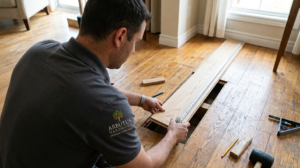
              Need Help in Hardwood Floor Installation?

              Choosing the right hardwood flooring species is one of the most important steps in creating a durable and visually appealing home. Calgary’s climate requires careful consideration, making it essential to select a species that can handle environmental changes without compromising performance. If you’re planning to install hardwood flooring contact us today to get the best results from your investment.

                6 Critical Signs You Need Hardwood Floor Repair in calgary 27

                Hardwood Floor Repair in Priddis, Alberta

                Hardwood Floor Repair in Priddis, Alberta

                Restore the natural beauty of your floors with our expert hardwood floor repair in Priddis. We remove dullness, scratches, and wear to bring back a smooth, rich finish that looks like new. Using professional-grade products and proven techniques, we deliver long-lasting shine and protection.

                Hardwood floors bring warmth, character, and long-lasting value to any home. In a place like Priddis, Alberta, where homes are often surrounded by natural beauty, your flooring plays an important role in how your space feels. Over time, even the highest quality hardwood can begin to show signs of wear. Scratches, dents, fading, and water damage can slowly take away from the look and durability of your floors.

                That is where professional hardwood floor repair in Priddis, Alberta becomes essential.

                Whether your floors have minor surface damage or deeper structural issues, restoring them properly can completely transform your home without the cost of full replacement. With the right expertise, your floors can look as beautiful as the day they were installed.

                Why Hardwood Floor Repair Matters for Priddis Homes

                Living in Priddis means dealing with unique environmental factors. Seasonal temperature changes, moisture levels, and everyday family life all contribute to wear and tear on hardwood flooring. Many homeowners notice issues such as:

                • Scratches from furniture and daily foot traffic.
                • Gaps forming between boards due to seasonal changes.
                • Water damage from spills or humidity.
                • Fading caused by sunlight exposure.
                • Squeaking or uneven boards.

                Ignoring these problems can lead to more serious damage over time. What starts as a small scratch or gap can turn into larger structural issues that become more expensive to fix.

                Professional hardwood floor repair allows you to address these issues early, protect your investment, and maintain the overall value of your home.

                Our team at Arbutus Hardwood offers expert hardwood floor repair in Priddis, Alberta to help you restore your floors to their original condition.

                Common Types of Hardwood Floor Damage

                Every floor tells a story, and over time, that story can include damage. Understanding what you are dealing with is the first step toward the right repair solution.

                Surface Scratches and Scuffs

                These are the most common issues homeowners face. They are often caused by pets, furniture movement, or everyday use. While they may seem minor, they can dull the overall appearance of your floors.

                Water and Moisture Damage

                Moisture is one of the biggest threats to hardwood flooring. In Priddis homes, changes in humidity can lead to warping, cupping, or staining. Water damage requires careful assessment and professional repair to prevent long-term issues.

                Cracks and Splitting

                Over time, wood naturally expands and contracts. This can lead to cracks or splits in individual boards. These issues not only affect appearance but can also compromise the integrity of your flooring.

                Loose or Squeaky Boards

                If your floors creak or feel uneven, it could be a sign of underlying structural problems. Proper repair ensures stability and comfort while walking.

                The Hardwood Floor Repair Process

                When done correctly, hardwood floor repair is both an art and a science. It requires skill, attention to detail, and the right tools to achieve a seamless result.

                Inspection and Assessment

                The first step is a detailed evaluation of your floors. This helps identify the type of damage and determine the best repair approach.

                Targeted Repairs

                Instead of replacing the entire floor, specific damaged areas are repaired. This may include board replacement, sanding, filling, or leveling.

                Sanding and Blending

                To ensure a uniform look, repaired areas are carefully sanded and blended with the surrounding floor. This step is crucial for achieving a natural finish.

                Finishing and Protection

                A high quality finish is applied to protect the wood and enhance its appearance. This also helps extend the life of your floors.

                If you are considering restoring your floors, you can learn more about the full process here: https://arbutushardwood.com/service/hardwood-floor-repair/

                Benefits of Professional Hardwood Floor Repair in Priddis, Alberta

                Many homeowners wonder whether they should attempt repairs themselves or hire a professional. While small fixes may seem manageable, proper hardwood repair requires expertise. Here are the key benefits of working with a professional:

                • Cost-Effective Solution: Repairing your floors is often far more affordable than full replacement. You preserve your existing flooring while restoring its beauty.
                • Seamless Results: Professionals ensure that repairs blend perfectly with your existing floors. The goal is to make damage disappear, not stand out.
                • Increased Home Value: Well-maintained hardwood floors are a major selling point. Repairing them enhances both aesthetics and property value.
                • Long-Lasting Durability: Quality repairs strengthen your floors and prevent future issues, giving you peace of mind for years to come.

                If your floors are beyond repair, you may also want to explore our hardwood floor installation services to get a fresh start with beautiful new flooring.

                Why Choose Local Experts in Priddis

                Choosing a local hardwood floor repair specialist means working with someone who understands the specific needs of homes in Priddis, Alberta.

                Local professionals are familiar with climate conditions, common flooring materials used in the area, and the expectations of homeowners. This results in more accurate assessments and better long-term outcomes.

                They also take pride in their reputation within the community, which means a stronger commitment to quality work and customer satisfaction.

                Our business growth and online visibility are supported by trusted SEO services that help local homeowners in Priddis find the right hardwood floor repair experts.

                Signs It Is Time to Repair Your Hardwood Floors

                Many homeowners delay repairs because they are unsure if the damage is serious enough. Here are some clear signs that it is time to take action:

                • Your floors look dull or worn even after cleaning.
                • You notice visible scratches, dents, or stains.
                • Boards feel loose or make noise when you walk.
                • There are signs of water damage or warping.
                • The floor no longer matches the overall look of your home.

                If you are seeing any of these signs, addressing them early can save you time and money.

                Repair vs. Replacement: What Is the Right Choice?

                One of the most common questions homeowners ask is whether they should repair or replace their hardwood floors.

                In most cases, repair is the better option when the damage is localized and the overall structure of the floor is still strong. Replacement is typically only necessary when there is extensive damage across large areas.

                A professional assessment can help you make the right decision based on your specific situation.

                In some cases, hardwood floor refinishing may be the ideal middle ground — restoring the surface without the cost of full replacement.

                Bringing Your Floors Back to Life

                There is something incredibly satisfying about seeing worn-out floors restored to their original beauty. Hardwood floor repair in Priddis, Alberta is not just about fixing damage. It is about bringing life back into your home.

                From the moment the work is complete, you will notice the difference. The color, the texture, and the overall feel of your space will be transformed.

                In a place like Priddis, Alberta, where homes are designed to feel warm and inviting, beautifully restored hardwood floors make a lasting impact.

                Get Expert Hardwood Floor Repair in Priddis, Alberta

                If your floors are showing signs of wear, now is the perfect time to take action. Waiting will only allow the damage to grow, making repairs more complex and costly.

                At Arbutus Hardwood, we specialize in professional hardwood floor repair in Priddis, Alberta. Our goal is simple: restore your floors with precision, care, and lasting results.

                👉 Visit our service page to learn more or request a quote: https://arbutushardwood.com/service/hardwood-floor-repair/

                We also offer professional hardwood floor installation and 

                hardwood floor refinishing services throughout Priddis, Alberta and surrounding areas.

                Ready to Transform Your Floors?

                Do not let scratches, damage, or aging floors take away from the beauty of your home. Let us help you restore them to their full potential.

                Contact us today to schedule your consultation and discover how professional hardwood floor repair in Priddis, Alberta can completely transform your space.

                The cost of hardwood floor repair in Priddis, Alberta depends on the type and extent of the damage. Minor surface repairs may cost a few hundred dollars, while more extensive repairs involving board replacement or water damage can be higher. The best way to get an accurate estimate is through a professional inspection.

                Yes, in most cases hardwood floors can be repaired rather than replaced. If the damage is localized and the overall structure of the floor is still strong, repairs such as sanding, board replacement, and refinishing can restore the floor to like-new condition.

                The timeline for hardwood floor repair depends on the size of the area and the type of damage. Small repairs can often be completed within a day, while larger or more complex repairs may take several days to complete properly.

                A professional hardwood floor repair specialist will carefully match the repaired area to the existing floor. This includes blending the color, grain, and finish so that the repair looks seamless and natural.

                Yes, water-damaged hardwood floors can often be repaired if addressed early. The process may involve drying the area, replacing affected boards, and refinishing the surface to restore its appearance and strength.

                How to choose a hardwood flooring contractor in Calgary

                How to choose a hardwood flooring contractor in Calgary

                How to choose a hardwood flooring contractor in Calgary Learn how to choose a hardwood flooring contractor in Calgary by checking experience, insurance, past projects and written quotes before you hire. Contact Us Your floors will be under your feet for 20 years or more. The person you hire to…

                Hardwood Flooring Cost Calgary: 2026 Price & Installation Guide

                Hardwood Flooring Cost Calgary: 2026 Price & Installation Guide

                Hardwood Flooring Cost in Calgary: What You’ll Actually Pay Planning your project but unsure about hardwood flooring cost in Calgary? This guide explains installation, refinishing, and repair expenses to help you plan your flooring budget. Contact Us If you’re planning to install, repair, or refinish hardwood flooring in Calgary, understanding…

                Matte vs Gloss Hardwood Flooring | Arbutus Hardwood

                Matte vs Gloss Hardwood Flooring | Arbutus Hardwood

                Matte vs gloss hardwood flooring: which finish is right for your home? Matte vs gloss hardwood flooring, see which finish suits Calgary homes best for durability, style & upkeep. Get expert advice from Arbutus Hardwood. Contact Us Matte vs gloss hardwood flooring feels like a small decision until you’re standing…
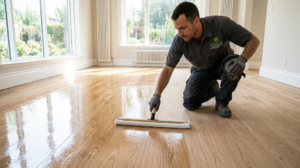
                Need Help in Hardwood Floor Installation?

                Choosing the right hardwood flooring species is one of the most important steps in creating a durable and visually appealing home. Calgary’s climate requires careful consideration, making it essential to select a species that can handle environmental changes without compromising performance. If you’re planning to install hardwood flooring contact us today to get the best results from your investment.

                  Hardwood Floor Repair in Priddis, Alberta 31

                  Hardwood Floor Refinishing Okotoks Alberta

                  Hardwood Floor Refinishing Okotoks Alberta Services

                  Restore the natural beauty of your floors with our expert hardwood floor refinishing in Okotoks, Alberta. We remove dullness, scratches, and wear to bring back a smooth, rich finish that looks like new. Using professional grade products and proven techniques, we deliver long-lasting shine and protection.

                  Hardwood floors are one of the most valuable features in any home. They bring warmth, character, and long-lasting durability. Over time though, even the best hardwood floors begin to show signs of wear. Scratches, dull finishes, discoloration, and minor damage can take away from the beauty of your space.

                  If you are searching for hardwood floor refinishing Okotoks Alberta, you are likely looking for a way to bring your floors back to life without the cost of full replacement. The good news is that professional hardwood floor refinishing in Okotoks can completely transform your floors and make them look brand new again.

                  At Arbutus Hardwood, we specialize in restoring hardwood floors with precision, care, and attention to detail. Whether your floors are lightly worn or heavily damaged, refinishing is often the most cost-effective and visually impactful solution available to homeowners in the area.

                  What Is Hardwood Floor Refinishing?

                  Hardwood floor refinishing is the process of sanding down the top layer of your existing floor and applying a new finish. This removes surface damage and restores the original beauty of the wood.

                  The process of hardwood floor sanding and refinishing in Okotoks typically includes:

                  Sanding the Surface: 

                  Old finish, scratches, and imperfections are removed using professional sanding equipment. This creates a smooth and even surface ready for a fresh coat. Sanding is the most critical step in the entire refinishing process because the quality of the final result depends heavily on how well the surface is prepared. Uneven sanding can leave visible marks or cause the stain to absorb unevenly, which is why professional-grade equipment and experience make a significant difference. Our team uses dust-controlled sanding systems to keep your home clean while achieving a perfectly level surface. 

                  Repairing Minor Damage: 

                  Small gaps, dents, and imperfections are filled and corrected before finishing begins. Over time, hardwood floors develop small cracks between boards, nail holes, and dents from furniture or heavy impact. These are carefully filled with wood filler that is matched to your floor’s color and grain so repairs blend in seamlessly. Addressing these issues before staining ensures the final finish looks smooth and uniform across the entire floor. 

                  Applying New Stain: 

                  Hardwood Floor Refinishing Okotoks Alberta

                  You can choose to keep your current color or update the look of your floors with a modern stain that suits your home’s style. Stain is applied evenly across the sanded surface and allowed to penetrate the wood before any finish coats go on top. The color you choose can dramatically change the feel of a room from light and airy tones to rich, dark shades that add warmth and elegance. Our team will help you select a stain that complements your existing décor and achieves the look you are going for. 

                  Sealing and Protecting: 

                  A durable finish is applied to protect the wood and enhance its long-term appearance. The sealing stage involves applying multiple coats of high-quality finish that act as a protective barrier against daily wear, moisture, and foot traffic. Each coat is allowed to dry and cure properly before the next is applied, ensuring maximum durability and an even, consistent sheen. A properly sealed floor not only looks beautiful but can last many more years before needing to be refinished again. 

                  Want to learn more about our process? Explore our hardwood floor refinishing services here.

                  Why Homeowners in Okotoks Choose Refinishing Over Replacement

                  Many homeowners in Okotoks assume that damaged floors need to be replaced. In most cases, that is simply not true. Choosing to refinish hardwood floors in Okotoks is a smarter decision for several reasons:

                  Cost Savings:

                   Refinishing is significantly more affordable than replacing hardwood floors. You get a like-new look without the high cost of full replacement.

                  Preserving Quality Wood:

                   Older hardwood floors are often made from higher-quality materials than what is commonly available today. Wood floor refinishing in Okotoks allows you to preserve and protect that value.

                  Less Disruption:

                   Replacing floors can take longer and create more disruption in your home. Refinishing is faster and more efficient.

                  Eco-Friendly Option:

                   Hardwood floor restoration in Okotoks reduces waste by restoring existing materials instead of removing and replacing them a more sustainable choice for your home.

                  Signs Your Floors Need Refinishing

                  Not sure if your floors are ready for refinishing? Here are some common signs Okotoks homeowners should watch for:

                  • Visible Scratches and Wear: Noticeable scratches or worn patches across high-traffic areas
                  • Dull or Faded Appearance: Sunlight and foot traffic cause floors to lose their shine over time
                  • Discoloration or Stains: Water damage, spills, or aging create uneven tones
                  • Rough Texture: If your floors feel rough or splintered, the protective finish has likely worn off
                  • Outdated Color: Sometimes the issue is style, not damage. Refinishing lets you update your floors to match your current design

                  If you are noticing any of these signs, floor refinishing in Okotoks is likely the most practical next step. In some cases, floors may also need structural attention before refinishing our hardwood floor repair service can assess and fix any underlying damage before we begin. 

                  The Hardwood Floor Refinishing Process in Okotoks

                  When you work with a professional team like Arbutus Hardwood, the refinishing process is handled with care from start to finish.

                  Initial Assessment: Every project begins with a detailed inspection of your floors to determine their condition and the best refinishing approach.

                  Preparation Furniture is moved and the area is prepared to ensure a clean and efficient process.

                  Dust-Controlled Sanding Modern sanding equipment is used to minimize dust while achieving a perfectly smooth surface. Proper hardwood floor sanding in Okotoks is the foundation of a great result.

                  Custom Stain Selection You can choose from a wide range of stain colors to complement your home’s existing style and décor.

                  Protective Finishing Multiple coats of high-quality finish are applied for durability and long-term protection against daily wear.

                  Final Inspection The completed floors are carefully reviewed to ensure the result meets our professional standards.

                  Choosing the Right Hardwood Floor Finish

                  Selecting the right finish is one of the most important parts of any hardwood refinishing project in Alberta. Your choice affects both the appearance and the durability of your floors.

                  Matte Finish:

                  floor polishing

                  A modern, natural look that hides minor scratches and imperfections well a popular option for busy households. Matte finishes have very little to no sheen, which gives your floors an organic, raw wood appearance. Because they do not reflect light, everyday scuffs and minor scratches are far less visible compared to shinier options. This makes matte an excellent choice for families with kids or pets who see a lot of daily foot traffic.

                  Satin Finish:

                   A soft sheen that is neither too dull nor too shiny the most common choice for hardwood floor refinishing in Okotoks Alberta. Satin strikes the perfect balance between a natural look and a polished appearance, which is why it works well in almost any room. It is easy to maintain, hides dust reasonably well, and complements both modern and traditional home styles. If you are unsure which finish to choose, satin is almost always a safe and beautiful option.

                  Gloss Finish:

                  Provides a high-shine, traditional appearance but may show scratches and dust more easily. Gloss finishes reflect a lot of light, which can make a room feel brighter and more spacious. However, because of that high reflectivity, fingerprints, pet scratches, and fine dust tend to be more visible on a daily basis. Gloss works best in low-traffic areas or in homes where floors are regularly cleaned and maintained.

                  Your ideal finish depends on your lifestyle, design preferences, and how much maintenance you are willing to do. If you want an extra layer of shine and protection after refinishing, our hardwood floor polishing service is a great option to keep your floors looking their best long-term. 

                  Why Professional Refinishing Matters

                  While some homeowners consider DIY refinishing, it often leads to uneven sanding, blotchy stains, and costly mistakes that require professional correction.

                  • Professional Equipment: High-grade sanding tools produce consistent, smooth results that rental equipment cannot match
                  • Experience and Technique: Proper hardwood floor sanding requires skill to avoid gouging or damaging the wood
                  • Quality Materials: Professional-grade finishes last longer and provide superior protection
                  • Time and Efficiency: An experienced team completes the job faster with better, more reliable results

                  For long-lasting hardwood floor refinishing in Okotoks Alberta, working with a professional team is always worth it.

                  Hardwood Floor Refinishing Okotoks Alberta Done Right

                  Homeowners in Okotoks value quality craftsmanship and beautiful living spaces, and hardwood flooring is often the most noticeable feature of a home. Whether you own a newer property in communities like Cimarron or D’Arcy Ranch, or a more established home in Crystal Shores or Drake Landing, professional hardwood floor refinishing in Okotoks Alberta can restore the natural beauty of your floors and enhance the overall appearance of your space.

                  At Arbutus Hardwood, we understand how Alberta’s dry climate, seasonal temperature changes, and everyday wear affect hardwood flooring. Our experienced team uses proven refinishing techniques and high-quality finishes to help Okotoks homeowners protect their investment and enjoy beautiful, long-lasting results.

                  If your floors are starting to show their age, now is the perfect time to restore them.

                  Get a Free Quote for Hardwood Floor Refinishing in Okotoks

                  Your floors do not need to be replaced to look incredible again. With professional hardwood floor refinishing in Okotoks Alberta, you can restore the beauty, value, and comfort of your home.

                  Ready to transform your floors?

                  👉 Visit our refinishing service page or contact our team today to get a free quote and expert recommendations based on your specific floors. 

                  Final Thoughts

                  Hardwood floor refinishing is one of the most powerful and cost-effective upgrades you can make to your home. It is visually impactful, long-lasting, and far more affordable than full replacement.

                  If you are looking for trusted hardwood floor refinishing in Okotoks Alberta, Arbutus Hardwood is here to help. With the right process, the right materials, and the right expertise, your floors can look as beautiful as the day they were installed.

                  This page was designed and optimized by Clear Solutions Technology

                  The cost of hardwood floor refinishing in Okotoks depends on the size of the area, the condition of the floors, the type of finish selected, and whether repairs or staining are included. The best way to get an accurate price is to contact us for a professional estimate

                  In most cases, yes. If your hardwood floors are structurally sound, refinishing hardwood floors in Okotoks is usually more affordable than replacement and can make them look brand new again.

                  Most floor refinishing projects in Okotoks take a few days, depending on the size of the space, sanding requirements, drying time, and the finish used.


                  Yes, many older hardwood floors can be refinished as long as sufficient wood thickness remains. A professional inspection will confirm whether your floors are a good candidate.


                  In some cases, you may need to avoid walking on the floors while the finish dries and cures. This depends on the products used and the size of the area being refinished.

                  How to choose a hardwood flooring contractor in Calgary

                  How to choose a hardwood flooring contractor in Calgary

                  How to choose a hardwood flooring contractor in Calgary Learn how to choose a hardwood flooring contractor in Calgary by checking experience, insurance, past projects and written quotes before you hire. Contact Us Your floors will be under your feet for 20 years or more. The person you hire to…

                  Hardwood Flooring Cost Calgary: 2026 Price & Installation Guide

                  Hardwood Flooring Cost Calgary: 2026 Price & Installation Guide

                  Hardwood Flooring Cost in Calgary: What You’ll Actually Pay Planning your project but unsure about hardwood flooring cost in Calgary? This guide explains installation, refinishing, and repair expenses to help you plan your flooring budget. Contact Us If you’re planning to install, repair, or refinish hardwood flooring in Calgary, understanding…

                  Matte vs Gloss Hardwood Flooring | Arbutus Hardwood

                  Matte vs Gloss Hardwood Flooring | Arbutus Hardwood

                  Matte vs gloss hardwood flooring: which finish is right for your home? Matte vs gloss hardwood flooring, see which finish suits Calgary homes best for durability, style & upkeep. Get expert advice from Arbutus Hardwood. Contact Us Matte vs gloss hardwood flooring feels like a small decision until you’re standing…

                  Need Help in Hardwood Floor Installation?

                  Choosing the right hardwood flooring species is one of the most important steps in creating a durable and visually appealing home. Calgary’s climate requires careful consideration, making it essential to select a species that can handle environmental changes without compromising performance. If you’re planning to install hardwood flooring contact us today to get the best results from your investment.

                    Hardwood Floor Refinishing Okotoks Alberta 35

                    Hardwood Floor Polishing in De Winton Alberta

                    Hardwood Floor Polishing in De Winton Alberta

                    Restore the natural beauty of your floors with our expert Hardwood Floor Polishing in De Winton Alberta We remove dullness, scratches, and wear to bring back a smooth, rich finish that looks like new. Using professional grade products and proven techniques, we deliver long-lasting shine and protection.

                    Hardwood floors add warmth, elegance, and long term value to homes in De Winton, Alberta. But even high-quality hardwood flooring can become tired and dull over time due to daily wear and tear, pets, furniture shifting, and dust. Hardwood floor polishing is one of the most effective methods of restoring the shine and beauty of hardwood floors and protecting your investment without the expense associated with refinishing the floor.

                    Professional floor polishing services in De Winton, Foothills County and South Calgary are used by a lot of homeowners to maintain their beautiful home and the longevity of their flooring. Oak, maple, engineered hardwood or custom wood floors need hardwood floor maintenance on a regular basis to maintain the smooth finish and natural beauty of the wood.

                    When it’s time to invest in professional hardwood floor polishing in De Winton Alberta, you may find it is the perfect moment to invest in your floors.

                    What Is Hardwood Floor Polishing?

                    Hardwood floor polishing is a hardwood floor maintenance procedure that is intended to brighten and smooth the existing hardwood floors. Polishing will not remove layers of wood as with sanding or hardwood floor restoration. Rather, it helps diminish any minor defects, minimizes surface scratches, and provides a new protective coating.

                    Because of normal wear and tear, hardwood floors naturally develop light wear over time. Common issues like dull hardwood floors, slight scuffs and scratches happen often in heavily trafficked spaces like hallways, kitchens or living rooms. Professional floor buffing services can help bring the floor’s appearance back to life while keeping it from getting any further damaged.

                    This procedure is great for homeowners who want to freshen up their hardwood floor but do not wish to have the mess, downtime, or cost of refinishing the whole floor.

                    Why Do Homeowners in De Winton Choose Hardwood Floor Polishing?

                    Luxury hardwood flooring is a popular choice for homes in De Winton, as it can be a significant feature of the interior design. Modern and custom built houses around the region feature wide plank oak, maple flooring as well as engineered hardwood flooring.

                    But with the activity and use by household occupants, pets and through the day, the floor finish can erode over time. This is why many home owners in De Winton and the surrounding South Calgary areas choose to employ regular wood floor polishing services to maintain the beauty and cleanliness of their floors.

                    Professional hardwood floor polishing helps:

                    • Restore hardwood shine
                    • Improve floor appearance
                    • Reduce visible scratches
                    • Extend floor lifespan
                    • Protect against future wear
                    • Maintain property value

                    Regular hardwood floor care can significantly delay the need for complete hardwood floor refinishing.

                    Signs Your Hardwood Floors Need Polishing:

                    damage floor

                    Many homeowners assume their floors require full refinishing when professional hardwood floor polishing may be enough.

                    Here are some common signs your floors may benefit from floor polishing services:

                    SignWhat It Means
                    Floors look dull after cleaningProtective finish is wearing down
                    Light surface scratchesMinor wear can often be polished out
                    Uneven shine in certain areasHigh traffic sections need restoration
                    Floors feel rough or dryFinish may be losing protection
                    Loss of wood vibrancyPolishing can restore natural appearance

                    Catching these issues early can help prevent deeper damage and costly repairs later. So it’s time to repair your  hardwood floor

                    Benefits of Professional Hardwood Floor Polishing

                    Restores Natural Shine

                    One of the biggest benefits of hardwood floor polishing is the immediate visual improvement. The natural grain, texture, and color of the wood become more vibrant, making the entire room feel cleaner, brighter, and more luxurious.

                    Extends the Life of Hardwood Floors:

                    Professional hardwood floor maintenance adds a fresh protective layer that helps minimize future damage. Regular floor buffing services can extend the lifespan of hardwood flooring and reduce the need for sanding or refinishing.

                    Cost Effective Alternative to Refinishing:

                    Compared to full hardwood floor restoration or refinishing, polishing is a much more affordable solution. It delivers impressive results without major renovation costs.

                    Minimal Disruption to Your Home:

                    Unlike sanding projects that can take several days, hardwood floor polishing is typically completed within a single day. Most homeowners can quickly return to normal use of their space.

                    Improves Home Appearance and Value:

                    Clean, polished hardwood flooring improves the overall appearance of your home and creates a strong first impression for guests or potential buyers.

                    Hardwood Floor Polishing vs Hardwood Floor Refinishing

                    Homeowners often ask whether they need polishing or refinishing. The answer depends on the condition of the flooring.

                    Hardwood Floor PolishingHardwood Floor Refinishing
                    Removes minor surface wearRemoves deep scratches and damage
                    Adds shine and protectionCompletely sands down flooring
                    Faster processMore time intensive
                    More affordableHigher cost
                    Ideal for maintenanceIdeal for severe damage

                    If your floors only have light wear, professional hardwood floor polishing is usually the best solution. Floors with deep scratches, stains, or major discoloration may require complete hardwood floor restoration and refinishing.

                    Our Professional Hardwood Floor Polishing Process:

                    Our hardwood floor polishing process is designed to deliver smooth, consistent, and long lasting results.

                    1. Floor Inspection

                    The initial evaluation is a detailed assessment of the condition of the flooring to establish what is going on and what the most effective hardwood floor care solution will be.

                    2. Deep Floor Cleaning

                    All floors are carefully cleaned and free from dust, debris and residue. To obtain an even finish during the polishing operation, proper cleaning is essential.

                    3. Professional Floor Buffing

                    We buff hardwood floors using commercial grade buffing equipment and special hardwood buffing products to provide a uniform buffing that will smooth out any minor imperfections and restore the shine to the floor.

                    4. Protective Finish Application

                    This new protective coating will be used to help maintain the finish and protects the hardwood floor from additional wear.

                    If you are looking for professional hardwood floor polishing services , our team can help restore the beauty and elegance of your floors.

                    Why Hire a Professional Hardwood Floor Polishing Company?

                    It’s possible to use DIY hardwood floor polishing products, but professional services will provide the best and longest results.

                    Professional flooring contractors know the characteristics of various hardwood species and know that commercial grade products are available to provide maximum durability and appearance.

                    We have experience in dealing with:

                    • Oak hardwood flooring
                    • Maple hardwood flooring
                    • Engineered hardwood
                    • Luxury custom flooring
                    • High traffic residential flooring

                    When you select professional hardwood floor polishing in De Winton Alberta, you are able to ensure that:

                    • Even finish application
                    • Longer lasting protection
                    • Better shine restoration
                    • Reduced risk of floor damage
                    • Professional quality results

                    How Often Should Hardwood Floors Be Polished?

                    For most homes, hardwood floors should be professionally polished every one to two years.

                    However, the ideal schedule depends on:

                    • Foot traffic levels
                    • Pets and children
                    • Floor age
                    • Existing floor condition
                    • Overall hardwood floor maintenance routine

                    Homes with heavy daily use may benefit from more frequent floor polishing services to maintain their appearance and protection.

                    Hardwood Floor Maintenance Tips After Polishing:

                    After professional hardwood floor polishing, proper maintenance helps preserve the results for as long as possible.

                    Recommended Hardwood Floor Care Tips

                    • Sweep or vacuum regularly to remove dirt
                    • Use hardwood safe floor cleaners
                    • Avoid excessive moisture
                    • Use furniture pads to prevent scratches
                    • Place mats in high traffic areas
                    • Clean spills quickly

                    These simple hardwood floor care practices can significantly extend the life of your flooring finish.

                    Hardwood Floor Polishing for Modern Homes in De Winton

                    Hardwood floors are one of the most significant design aspects of the interior of a modern home in De Winton and are often combined with natural design elements and luxury finishes.

                    Hardwood floor polishing by the professionals brings more richness, texture and depth to the wood and to the space. Polished hardwood floors offer a clean and elegant look, making them an excellent choice for any home, regardless of its style.

                    Wood floor polishing services are an absolute favorite choice of some homeowners around De Winton and South Calgary and they are an essential part of their long term home maintenance plan.

                    Invest in the Beauty and Longevity of Your Hardwood Floors

                    The first thing people see upon entering your home is your floors. Even the best-designed rooms can lose their charm and beauty with dull or scratched hardwood flooring.

                    Hardwood floor polishing by professionals is a cost-effective method for achieving shinier hardwood flooring and it helps in protecting your investment, maintaining your home with a clean and modern feel.

                    Get Professional Hardwood Floor Polishing in De Winton Alberta

                    If your hardwood floors are starting to lose their shine, now is the perfect time to take action.

                    Our team specializes in professional hardwood floor polishing in De Winton Alberta, helping homeowners restore the natural beauty of their flooring with high quality polishing and hardwood floor maintenance services.

                    Whether your floors have light scratches, dull areas, or uneven shine, we can recommend the right solution to bring them back to life.

                    Learn more about our professional hardwood floor polishing services and request your quote today.

                    Our experienced team will assess your flooring, recommend the best treatment, and deliver professional results designed to last.

                    Conclusion

                    Professional hardwood floor polishing is an easy and affordable way to restore hardwood shine, reduce light scratches, and protect your flooring from everyday wear. Regular hardwood floor maintenance helps keep your home looking clean, elegant, and well maintained for years to come.

                    If your floors are starting to lose their shine, explore our professional hardwood floor polishing services in De Winton, Alberta, and request your free quote today.

                    The cost depends on the size of the flooring area, floor condition, and the type of finish required. Hardwood floor polishing is generally much more affordable than complete hardwood floor refinishing.

                    Most hardwood floor polishing projects can be completed within a single day. Larger homes may require additional time depending on the size and condition of the flooring.

                    In most cases, homeowners can walk on polished floors within a few hours. However, it is recommended to wait at least 24 hours before moving furniture back onto the surface.

                    Yes, polished hardwood flooring improves the appearance of the home and can positively impact property value by creating a cleaner and more luxurious presentation.

                    The first step is scheduling a professional floor assessment to determine the condition of your hardwood flooring and identify the best restoration solution.

                    Hardwood floor polishing is best for maintaining floors with light wear and dullness. Hardwood floor refinishing is recommended for floors with deep scratches, stains, or severe damage.

                    How to choose a hardwood flooring contractor in Calgary

                    How to choose a hardwood flooring contractor in Calgary

                    How to choose a hardwood flooring contractor in Calgary Learn how to choose a hardwood flooring contractor in Calgary by checking experience, insurance, past projects and written quotes before you hire. Contact Us Your floors will be under your feet for 20 years or more. The person you hire to…

                    Hardwood Flooring Cost Calgary: 2026 Price & Installation Guide

                    Hardwood Flooring Cost Calgary: 2026 Price & Installation Guide

                    Hardwood Flooring Cost in Calgary: What You’ll Actually Pay Planning your project but unsure about hardwood flooring cost in Calgary? This guide explains installation, refinishing, and repair expenses to help you plan your flooring budget. Contact Us If you’re planning to install, repair, or refinish hardwood flooring in Calgary, understanding…

                    Matte vs Gloss Hardwood Flooring | Arbutus Hardwood

                    Matte vs Gloss Hardwood Flooring | Arbutus Hardwood

                    Matte vs gloss hardwood flooring: which finish is right for your home? Matte vs gloss hardwood flooring, see which finish suits Calgary homes best for durability, style & upkeep. Get expert advice from Arbutus Hardwood. Contact Us Matte vs gloss hardwood flooring feels like a small decision until you’re standing…

                    Need Help in Hardwood Floor Installation?

                    Choosing the right hardwood flooring species is one of the most important steps in creating a durable and visually appealing home. Calgary’s climate requires careful consideration, making it essential to select a species that can handle environmental changes without compromising performance. If you’re planning to install hardwood flooring contact us today to get the best results from your investment.

                      Hardwood Floor Polishing in De Winton Alberta 39